Alright, let’s cut the crap—if you’ve ever stood staring at that empty corner in your office break room, gym lobby, or small retail space thinking, “someone should put a drink vending machine here,” you’re not alone. As a vending machine supplier who’s helped dozens of businesses get set up (and fix the 3AM “why won’t this thing take my card” panic calls), let’s walk through the actual steps of installing one—no corporate jargon, no fake “expert” fluff, just the stuff that actually works. Drink Vending Machine
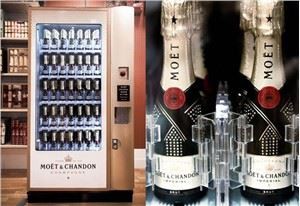
First off, you can’t just plop a vending machine anywhere. I see this mistake all the time: a restaurant puts one in a back storage closet because “there’s space” and then wonders why only three people use it a day. The #1 rule for installation is location, location, location—and it’s not just about space. You need two non-negotiables first: power and foot traffic.
Wait, let’s clarify: foot traffic doesn’t mean “any random people.” It means your target audience. If you’re in a gym, that’s easy—right by the front door, near the locker rooms, where everyone’s going after a workout. If you’re in a small office building, it’s by the elevators or break room, not tucked next to the IT server room. How much foot traffic do you need? Honestly, if you’re seeing at least 50 people pass by that spot every hour during peak times (lunch, morning coffee rush, post-work gym), you’re good. Anything less and you’ll end up restocking a machine that only makes $20 a day, which is a waste of your time and our time.
Then there’s power. 99% of drink vending machines need a standard 120V grounded outlet—no fancy 220V stuff, unless you’re getting a commercial-grade giant freezer model (and even then, most small to mid-sized ones use regular outlets). The catch: don’t use an extension cord. Vending machines draw a steady amount of power, and extension cords cause voltage drops that will make the screen freeze, the card reader glitch, or even mess up the cooling system. If the nearest outlet is 10 feet away, you can get an electrician to run a line for like $100-$150—way cheaper than replacing a broken card reader. Also, make sure the outlet isn’t in a spot where water could splash on it—avoid near sinks, ice machines, or outdoor areas unless it’s a weatherproof model.
Next up: measuring the space. Don’t just guess. Grab a tape measure. Most standard drink vending machines are 72 inches tall, 36 inches wide, and 30 inches deep. You need at least 40 inches of clearance in front of it for people to line up (and not bump into the machine or the wall when selecting a drink) and 2 inches on the sides for air flow. Air flow is huge—if you jam a machine right between two walls, the cooling system overheats, and it’ll start spoiling drinks in a week. I’ve had customers call me at 8AM panicking because their machine froze a bunch of sodas overnight, and 9 times out of 10 it’s because they didn’t leave side clearance. Pro tip: if your spot is a little tight, we have compact models that are only 28 inches wide—perfect for small lobbies or boutique shops.
Now, if you’re renting the space (like if you work in an office building that’s not yours), you need to check with the property manager first. Some buildings have rules about vending machines—they might require a permit, or have specific rules about where they can go, or even charge a small monthly fee for using power. Also, if you’re a business owner, make sure it’s okay with your landlord or building management. We once had a customer who installed a machine in their café’s back patio, and the building said no because it blocked a fire exit—$800 to move it, oops. Don’t be that person.
Okay, so you’ve got the spot, power, clearance, and permission. Now, what’s next? If you’re buying the machine outright (instead of renting it, which is another option we offer), the big thing is delivery and placement. Most vending machines are super heavy—like 500 to 800 pounds heavy. You can’t just carry it in by yourself. We use professional delivery teams that will bring a dolly, and they’ll even wheel it inside and set it exactly where you want it. But you need to clear the path first: no boxes stacked in the hallway, no tight turns that the dolly can’t fit through, no stairs without a ramp or elevator. If you forget to clear the path, the delivery guys might not bring it in—and then you’re stuck with a machine on the truck, and a broken plan. Also, once it’s in place, leave it upright for at least 4 hours before plugging it in. That oil in the compressor needs to settle, and if you plug it in right away, you’ll damage the cooling system. We always tell our customers that when the delivery driver shows up, make sure someone’s home (or at the business) to sign for it, and tell them where exactly you want the machine.
Wait, what about if you’re renting a machine from us? Same rules apply for location, power, clearance, etc.—we handle delivery, placement, and even maintenance for the monthly fee, which is a good option if you don’t want to deal with repairs. But even rental customers need to make sure the spot works.
Once the machine is in, it’s time to set it up. If you’re buying it, we send a setup guide, and honestly, it’s not that hard. You load the drinks (wait, important tip: don’t overstock the slots. If you jam 12 cans into a slot that only fits 10, they’ll get stuck when someone presses the button), program the pricing, connect the card reader if you have one, and test it. Buy a couple drinks, scan a card, make sure everything dispenses correctly. If something’s off, just call us—we have tech support on call 24/7 for our customers, no waiting 3 days for a reply.
Also, one last thing: maintenance. Installing it is half the battle, but keeping it running is the other half. You don’t need to be a mechanic—just wipe it down once a week, check that the coin mechanism isn’t jammed with soda (people dump half-empty cups into slots sometimes, gross), and restock it regularly. If something breaks, don’t try to fix it yourself—most vending machines have a warranty, and messing with the internal parts will void it. Just hit us up, and we’ll send someone out same-day if it’s a big issue.
Wait, let’s get real here—some people think installing a drink vending machine is super complicated, but it’s really just 3 key steps: pick a good spot with power and clearance, get permission, and make sure you have help moving it if it’s heavy. We’ve installed machines in everything from law firms with 20 employees to gyms with 500 members, and the only problems we’ve had are when someone skips one of these steps.
If you’re thinking about getting a machine for your business, don’t overthink it. The biggest mistake we see is people waiting “until we have more space” or “until we make more money”—you’d be shocked how fast the ROI hits. A well-placed vending machine can make $300-$500 a week, which pays for itself in a month or two.

If you’re ready to get started, or have questions about different models, rental options, or pricing, hit us up to talk through what works for your space. No pressure, just straight answers about what will make sense for your business.
ODM Vending Machine References:
- National Automatic Merchandising Association. (2023). "Vending Machine Placement & Installation Best Practices." Industry Guide.
- U.S. Small Business Administration. (2022). "Setting Up Small Commercial Vending Machines." Small Business Resource Hub.
- Vending Safety Standards Board. (2021). "Power & Clearance Requirements for Vending Machines." Safety Compliance Manual.
Hangzhou Joegoo Technology Co., Ltd.
Hangzhou Joegoo Technology Co., Ltd. is well-known as one of the leading drink vending machine manufacturers and suppliers in China, featured by good service and competitive price. Please feel free to buy discount drink vending machine for sale here from our factory. Contact us for quotation.
Address: A2,Qimeng Cross border Liangzhu Park, No.1899, Gudun Road, Hangzhou,China
E-mail: joegoo@china-vendingmachine.com
WebSite: https://www.china-vendingmachine.com/
