Hey there! I’m a supplier of sintering kilns, and today I wanna chat about the control systems in a sintering kiln. It’s super important to understand these control systems if you’re in the market for a sintering kiln, ’cause they play a huge role in the whole sintering process. Sintering Kiln
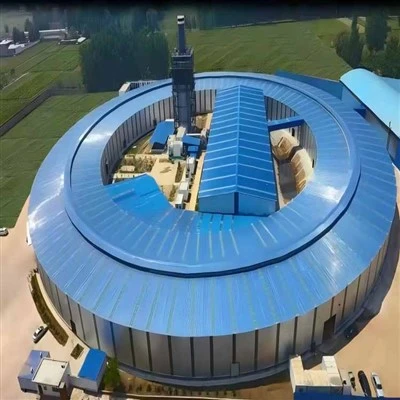
First off, let’s talk about temperature control. Temperature is like the heart and soul of a sintering kiln. You gotta get it just right for the materials to sinter properly. Most sintering kilns use a combination of thermocouples and PID (Proportional-Integral-Derivative) controllers. Thermocouples are these nifty little devices that can measure the temperature inside the kiln. They send a signal to the PID controller, which then adjusts the heating elements to keep the temperature at the setpoint.
The PID controller is pretty smart. It works by calculating the difference between the actual temperature and the desired temperature (that’s the proportional part). Then it takes into account how long this difference has been there (the integral part) and how fast the temperature is changing (the derivative part). Based on these calculations, it adjusts the power supplied to the heating elements. For example, if the temperature is way below the setpoint, the controller will crank up the power to the heating elements. As the temperature gets closer to the setpoint, it’ll start reducing the power to prevent overshooting.
Another key control system in a sintering kiln is the atmosphere control. The atmosphere inside the kiln can have a big impact on the sintering process. Some materials need an inert atmosphere, like nitrogen or argon, to prevent oxidation. Others might need a reducing atmosphere, which can be created by introducing gases like hydrogen.
To control the atmosphere, we use gas flow controllers. These controllers can precisely regulate the amount of gas flowing into the kiln. We also have sensors that can measure the oxygen content and other gas concentrations inside the kiln. If the oxygen level is too high, for instance, the gas flow controllers will increase the flow of inert gas to lower it.
Pressure control is also crucial. Maintaining the right pressure inside the kiln is important for consistent sintering results. We use pressure sensors and valves to control the pressure. The pressure sensors continuously monitor the pressure inside the kiln and send a signal to the control system. If the pressure is too high, the control system will open the valves to release some of the gas and bring the pressure down. If it’s too low, it’ll close the valves a bit to increase the pressure.
Now, let’s talk about the automation part. Modern sintering kilns usually come with some level of automation. You can program the kiln to follow a specific temperature profile over time. This is great ’cause it allows for repeatable and consistent sintering processes. You can set different temperature ramps, hold times at specific temperatures, and cooling rates in the program.
The automation system also includes a human – machine interface (HMI). It’s basically a touchscreen or a computer panel where the operator can monitor and control the kiln. You can see all the important parameters like temperature, pressure, gas flow rates, and time elapsed right on the screen. You can also make adjustments to the settings if needed.
Safety is a huge concern when it comes to sintering kilns, and the control systems play a big role here too. There are emergency stop buttons and safety interlocks in place. For example, if the temperature goes way above the safe limit, or if there’s a problem with the gas supply, the interlocks will shut down the kiln to prevent any dangerous situations.
There are also alarms associated with the control systems. If a parameter goes out of the normal range, like the oxygen level being too high or the pressure too low, an alarm will go off to alert the operator. This gives the operator a chance to take corrective action before things get out of hand.
Let’s get into a bit of the maintenance side of these control systems. Regular calibration of the sensors is crucial. The thermocouples, pressure sensors, and gas sensors need to be calibrated periodically to ensure accurate readings. If the sensors are not calibrated correctly, the control system may make incorrect adjustments, which can lead to poor sintering results or even damage to the kiln.
The PID controllers also need to be tuned properly. Over time, the kiln’s characteristics may change, and the PID settings may need to be adjusted to maintain optimal control. This usually requires some technical knowledge, but most of the modern kilns come with self – tuning features that can make the process a bit easier.
So, why are these control systems so important for you as a potential buyer? Well, having proper control systems means better quality sintered products. You’ll get more consistent results from batch to batch, which is crucial for any industrial process. It also means increased efficiency. The kiln can operate closer to its optimal conditions, which saves energy and reduces production costs.
And of course, safety is a major plus. With reliable control systems and safety features, you can be sure that your workers are safe and that your equipment is protected from potential damage.
If you’re in the market for a sintering kiln, it’s important to consider the quality of the control systems. Not all kilns are created equal when it comes to these controls. A kiln with advanced and reliable control systems may be a bit more expensive upfront, but it can save you a lot of money in the long run through better quality products, lower energy costs, and reduced maintenance.
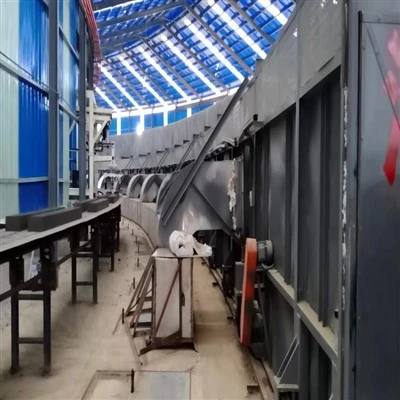
If you’re interested in learning more about our sintering kilns and their top – notch control systems, or if you want to discuss a potential purchase, don’t hesitate to reach out. We’re here to answer all your questions and help you find the perfect kiln for your specific needs.
Large Section Multi Lane Tunnel Kiln References
- "Industrial Kiln Technology" by John Smith.
- "Advanced Control Systems for Thermal Processes" by Jane Doe.
Henan Yaxin Kiln Co., Ltd.
Henan Yaxin Kiln Co., Ltd. is one of the most professional sintering kiln manufacturers and suppliers in China. With abundant experience, we warmly welcome you to buy high quality sintering kiln with the latest design from our factory. Good service and punctual delivery are available.
Address: Jixian Industrial Zone, Shangqiu City, Henan Province
E-mail: 1543563178@qq.com
WebSite: https://www.hnyxkiln.com/
