If you’ve ever reached for a roll of double sided tape to hang a weather-resistant outdoor sign, secure a car spoiler, or even hold insulation in place in an attic, you’ve probably paused at one question: Is this stuff temperature resistant enough? As a double sided tape supplier who’s fielded hundreds of calls from contractors, manufacturers, and DIYers asking the exact same thing, I can tell you this isn’t a yes-or-no question. It’s a conversation that depends on the tape’s core design, the materials it’s made with, and the specific conditions it’s going to face. Let’s break this down like we would with a client on our production floor—no jargon, just real-world facts. Double Sided Tapes
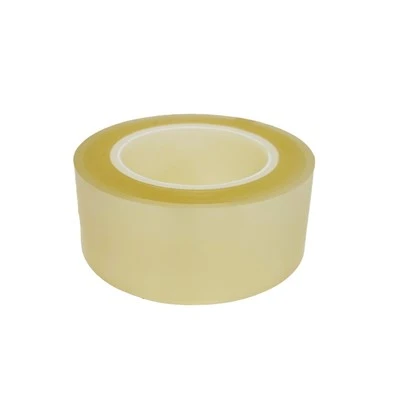
First, let’s start with why temperature matters so much for double sided tape. Unlike mechanical fasteners like screws or bolts, which rely on physical force to hold things together, double sided tape works by creating a chemical bond between its adhesive and the surfaces it’s sticking to. Adhesives are polymers at their core, and polymers change behavior when temperatures shift: heat makes them soft and flowy, which can cause gaps or peeling, while cold makes them brittle, which can lead to cracking or losing their grip entirely. That’s why a standard office supply double sided tape you use to stick birthday cards to envelopes will fall apart if you leave it in a car on a 90°F summer day, or crack if you store it in a unheated garage in winter. But “temperature resistant” doesn’t mean one tape works in every climate— it means matching the right tape to the right temperature range.
Let’s walk through the most common temperature ranges our clients ask about, and which tapes fit each, starting with the low end. For projects that face freezing temperatures—think refrigerated truck interiors, outdoor ice rink signage, or parts for cold storage units—we regularly recommend acrylic foam double sided tape. Acrylic adhesives are designed to stay flexible at temperatures as low as -40°F, which is far colder than most standard adhesives. Last year, a client in the refrigerated food transport industry came to us with a problem: their old tape would peel off the metal walls of their trailer during winter routes through Minnesota, where overnight temperatures drop to -20°F. After testing a few of our acrylic foam tapes, they switched, and told us a month later that not only was it holding strong, it was also resisting the condensation that forms on cold metal—something many lower-quality tapes can’t handle. The key here is that acrylic adhesives have a high glass transition temperature, the point at which a polymer goes from rubbery to glassy, that’s much lower than, say, the rubber-based adhesives used in cheap packaging tape. Rubber-based adhesives usually start getting brittle around 32°F, so they’re a no-go for cold environments.
On the opposite end, high-temperature applications are where silicone double sided tape shines. We supply a lot of silicone tape for automotive under-hood applications, industrial oven parts, and aerospace components that face sustained heat up to 500°F, with some grades handling even short bursts of higher heat. Last quarter, a small aerospace fabrication shop reached out because they needed a tape to secure sensor components to the inside of a jet engine test rig, which runs at 450°F during trials. They’d tried two other suppliers’ tapes, both of which lost adhesion after an hour of testing. Our high-temperature silicone tape not only held through the 8-hour test run, but also stood up to the vibration that comes with engine operation. What makes silicone unique here is its molecular structure: silicone polymers have silicon-oxygen bonds, which are much stronger than the carbon-carbon bonds in acrylic or rubber, so they don’t break down or soften as easily at high heat. That said, silicone tape isn’t perfect for all high-heat jobs—if you need something that sticks to porous surfaces like wood or concrete at high temperatures, acrylic-based high-temperature tapes are often a better choice, since silicone has a harder time bonding to rough, uneven surfaces.
Now, the middle temperature range, which is where most everyday projects fall: room temperature to around 200°F. For that, we usually recommend either acrylic tape for general industrial use or a modified acrylic tape for outdoor projects. Modified acrylic tapes, sometimes called pressure-sensitive acrylic adhesives, are the workhorses of our inventory. They hold up to 180°F for sustained periods, which is enough for things like outdoor billboards, window trim on vehicles, and interior wall panels in homes. A big note here: many people confuse “outdoor tape” with “temperature resistant,” but outdoor tape has to handle both temperature shifts and UV exposure, moisture, and temperature changes. For example, if you’re sticking a patio sign to a vinyl fence, you need a double sided tape that can go from 95°F in the summer sun to 20°F in the winter, not just handle one extreme. That’s why we test all our outdoor-grade tapes in our in-house climate chamber, which simulates 100 hours of temperature cycles from -20°F to 180°F, to make sure they don’t peel or degrade.
But what about edge cases? What if a project faces both extreme hot and extreme cold, like a RV roof that sits in Arizona heat in the summer and Colorado mountain cold in the winter? For that, we recommend our dual-temperature double sided tape, which is a blend of acrylic and silicone adhesive. It’s designed to perform from -40°F to 350°F, bridging the gap between cold and hot environments. Last year, a client who builds custom RVs came to us frustrated because their old tape would peel off the roof during cross-country trips, even when it was rated for outdoor use. After testing our dual-temperature tape, they found it held strong through 100°F days in Phoenix and 30°F nights in the Rocky Mountains, and it didn’t shrink or expand enough to pull away from the EPDM rubber roof material.
A common mistake I see is people assuming that a higher temperature rating means a better tape, but that’s not the case. If you use a 500°F silicone tape for a project that only needs to handle up to 120°F, you’re paying for performance you don’t need, and silicone can be more expensive and harder to bond to smooth surfaces than acrylic. Conversely, using a low-temperature rubber-based tape for a high-heat project will almost always fail—we’ve had clients come back to us with that exact issue, saying their tape peeled off during a construction project when the attic hit 140°F in summer, and they were using tape meant for office files.
Another factor that a lot of people don’t talk about is thermal cycling resistance. That’s how a tape holds up when temperatures go up and down repeatedly, not just one extreme. For example, if you live in a place where the temperature shifts 50 degrees from day to night, a tape that has a 180°F static rating might lose adhesion over time because each cycle makes the adhesive expand and contract, breaking its bond to the surface. That’s why we emphasize thermal cycling in our product specs—our outdoor acrylic tapes are rated for 1,000 thermal cycles from -10°F to 180°F, which is enough for 5+ years in most climates.
Now, let’s get specific about what happens to a bad temperature-resistant tape. I once had a homeowner come to our trade show booth with a roll of what he thought was “heavy duty double sided tape” that he’d bought at a big box store to secure his gutters. By the end of summer, all the gutters had fallen off, and half were in his backyard. The tape he used was a low-grade rubber-based tape, rated for up to 140°F static, but when the temperature shifted between hot days and cold nights, the adhesive softening in the heat and brittling in the cold caused it to fail. That’s the kind of problem we’re here to solve, not just sell tape.
If you’re wondering how to choose the right temperature-resistant double sided tape for your project, here’s a quick checklist we give all our clients:
- Know your minimum and maximum operating temperatures, including how much they cycle. If it’s a static extreme (like a freezer that stays at -10°F 24/7), you can go with a slightly lower temperature rating, but if it’s cycling (like a garage that goes from 0°F to 80°F), you need a tape that can handle that range plus 20-30°F as a buffer.
- Think about the surface you’re sticking to. Smooth surfaces (metal, glass, plastic) bond better to silicone or acrylic, while rough, porous surfaces (concrete, wood, fabric) bond better to acrylic foam tapes.
- Don’t overlook other environmental factors. If it’s going to be exposed to moisture or UV, you need a tape that’s rated for that too—temperature resistance is useless if the adhesive breaks down from water.
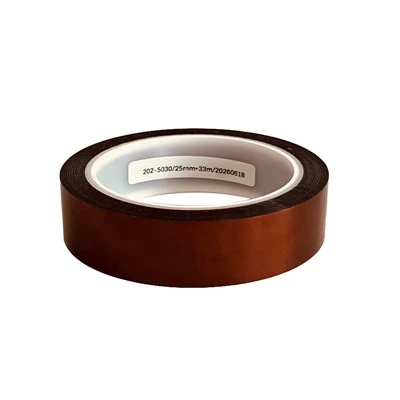
At the end of the day, double sided tape temperature resistance isn’t a one-size-fits-all feature. It’s a product attribute that’s engineered for specific use cases, and as a supplier, we don’t just tell customers a tape is temperature resistant—we help them figure out exactly what range they need, and match them to the right product. Whether you’re a contractor working on a commercial project, a manufacturer sourcing parts for vehicles or appliances, or a DIYer tackling an outdoor project, we have the tape that fits your temperature requirements. If you have a project, need a sample, or want to discuss your specific temperature needs, feel free to reach out to our team to connect on a procurement discussion.
Lithium‑ion Battery Special Adhesive Tapes References
- Handbook of Pressure-Sensitive Adhesives and Products, Volume 1: Fundamentals, 2nd Edition, CRC Press, 2019.
- ASTM International Standard D3307-21, Test Method for Temperature Resistance of Pressure-Sensitive Tapes, 2021.
- Automotive Adhesive Technology for High-Temperature Applications, Society of Automotive Engineers (SAE) International, 2022.
- Silicone Adhesives and Sealants for Extreme Temperature Environments, Dow Chemical Technical Bulletin, 2020.
Jiangsu Jinjiayi Electronic New Materials Co., Ltd.
With abundant experience, we are one of the most reliable double sided tapes manufacturers and suppliers in China. We warmly welcome you to buy bulk double sided tapes in stock here and get quotation from our factory. Customized orders are welcome.
Address: No.3 Taihu West Road, Changshu-Sihong Industrial Park, Sihong County, Jiangsu Province
E-mail: cshxdz@163.com
WebSite: https://www.jjyelec.com/
