Hey there! If you’ve ever dealt with a loose PVC pipe fitting mid-plumbing fix, you know how annoying it can be—one minute your shower’s draining fine, the next there’s a weird drip, or your garden hose connection is slipping off and spraying water everywhere. As someone who’s been selling PVC pipe fittings for years, I’ve seen this happen to DIYers, handymen, and even fellow tradespeople more times than I can count. Most of the time, it’s not a huge headache if you know the right steps to fix it fast—no need to call a plumber and drop $150 for a tiny issue. Let’s break this down simply, no jargon, just what works. PVC Pipe Fittings
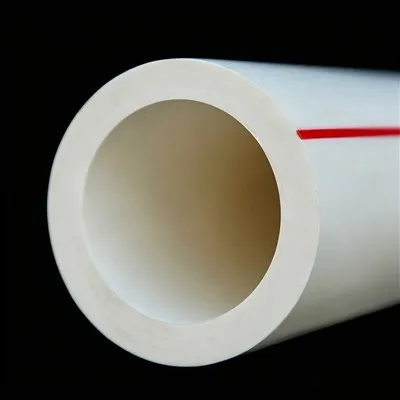
First, let’s figure out why the fitting’s loose in the first place. PVC is durable, but it’s not indestructible. The most common culprits? Either the connection wasn’t glued right the first time, the pipe’s a little too short or too long, or you’ve got dirt, oil, or moisture gumming up the joint so the glue can’t bond properly. Sometimes, if you’ve moved or modified a pipe, you might have stretched it a little, which makes the fitting slip. Whatever the reason, the fix doesn’t have to involve replacing the whole pipe—if you do it right, you’re good to go.
Before you start grabbing tools, let’s talk about what you actually need. You don’t need a bunch of fancy stuff, just the basics. First, turn off the water supply to the area—obviously, right? Nothing messier than fixing a leak while water’s still running. Then, get a utility knife or a fine-tooth saw to cut the pipe if you need to trim it, sandpaper (120-grit works perfect) for roughing up the pipe end, PVC primer, PVC cement, a clean rag, and maybe some Teflon tape? Wait, hold on—Teflon tape is for threaded pipes, not glued PVC fittings, so skip that here. Oh, and maybe a pipe deburrer, but if you don’t have one, a sharp knife works to shave off the rough edge left from cutting the pipe. That’s important—burrs can make the fitting not seat all the way, so take a minute to smooth that out.
Now, the step-by-step fix. Let’s start with the easiest scenarios first. If the fitting is loose but you can pull the pipe out easily, that means the old glue failed. Here’s what to do: first, dry the pipe and the inside of the fitting completely. If there’s any water left, the new glue won’t stick. Wipe it down with a clean rag, and if it’s wet, maybe leave it for 10 minutes to air dry. Then, use your utility knife to scrape off any old glue from both the pipe end and the inside of the fitting. You don’t have to get it perfect, just enough so the surface is clean—old glue makes a barrier between the new glue and the PVC.
Next, rough up the pipe end a little with 120-grit sandpaper. You just need to scuff it, not sand it down to nothing—this gives the glue something to grab onto. Wipe away the sanding dust with a clean rag; if dust is left, it’ll mess up the bond. Then, apply PVC primer to the pipe end and the inside of the fitting. Primer is key here—most people skip it, but it softens the PVC so the glue can melt it, creating a solid, permanent bond. Don’t use too much primer, just a thin, even coat. Let it sit for like 10 seconds—you’ll see it turn a little cloudy, that’s when it’s ready.
Now the PVC cement. Apply a thin coat to both the pipe end and the inside of the fitting—again, not too much, or it’ll gush out when you fit them together, which is messy and wastes product. Then, push the pipe into the fitting as far as it will go, twisting it a quarter turn as you do that. That twist helps spread the glue evenly so there are no gaps. Hold it for like 30 seconds—don’t let go too soon, or the pipe will slip back out. Then, wipe away any excess glue with a rag right away, before it dries. If you let it dry, it’s hard to get off, and it looks messy.
Wait, what if the pipe’s too short, so the fitting can’t seat all the way? That’s another common issue. If that’s the case, you don’t have to replace the pipe entirely. You can use a PVC coupling—just cut the end of the existing pipe where the fitting is, slide a new section of PVC pipe into the coupling, glue it, then glue the loose fitting onto the new section. That’s simple, and it’s way cheaper than buying a whole new pipe. Just make sure you measure correctly—don’t cut the pipe too short, or the coupling won’t work. Measure twice, cut once, right?
What if the fitting is threaded, like for a hose bib or a connection to a metal pipe? Wait, hold on—gluing works for solvent weld fittings, but threaded PVC fittings are different. If a threaded fitting is loose, you can use Teflon tape or pipe thread sealant, but only on the threads. Wrap Teflon tape around the threads in the direction that the fitting tightens—so when you twist it clockwise, the tape doesn’t bunch up. Wrap it 3 to 5 times, not too tight, or it’ll squeeze into the threads and cause a blockage. Then, tighten the fitting by hand first, then use a wrench (with a pipe clamp or a rag to protect the PVC) to give it a quarter turn more. Don’t over-tighten threaded PVC fittings—they can crack easily, so go slow.
Now, what about when you should call a pro? Let’s be real—some issues are beyond a simple fix. If the pipe is under a slab, or if you’re dealing with a main water line, it’s better to call a plumber. If you have a lot of loose fittings that are all near each other, that might mean there’s a bigger issue with the pipe, not just the fittings. Also, if you’re not comfortable cutting and gluing PVC, don’t force it—mistakes can lead to bigger leaks that are way harder to fix.
As a PVC pipe fittings supplier, I’ve seen so many DIYers make small mistakes that turn into big problems. Like, using regular glue instead of PVC cement—regular glue doesn’t melt the PVC, so the bond is weak. Or not letting the primer dry, so the glue doesn’t work. Or using too much cement, which can clog small pipes. That’s why it’s important to use the right products for the job.
Now, let’s talk about preventing loose fittings in the first place. A little prevention goes a long way. When you’re installing new PVC fittings, make sure the pipe is cut straight, no burrs, clean all surfaces before gluing, use primer and cement, and hold it for 30 seconds. Don’t pull on the pipe right after gluing—wait at least 15 minutes for the glue to set, and 24 hours for a full cure before turning the water back on. If you’re installing fittings outdoors, make sure they’re rated for outdoor use—some PVC fittings are only for indoor pressure, so using the wrong one can lead to loose connections.
Wait, another thing: sometimes, loose fittings happen because of water pressure spikes. If your home has really high water pressure (over 80 PSI), that can put stress on the fittings and make them come loose over time. You can get a pressure regulator to fix that, which will also make your pipes last longer. That’s a good investment, especially if you’ve had loose fittings before.
Let’s test this with a quick example. Last month, a customer came to our shop panicking because his garden hose was spraying all over the place—his outdoor spigot’s PVC fitting was loose. He tried to just twist it back on, but it wouldn’t stay. I told him to turn off the water, clean the threads, wrap Teflon tape, and tighten it a little. He came back a week later saying it worked perfectly, no more spray. That’s exactly what we’re talking about—simple, quick, no fancy tools.
Another example: a DIYer was fixing his bathroom sink drain, and the PVC fitting under the sink was loose. He’d glued it before, but it leaked. He followed the steps we talked about: scraped old glue, sanded the pipe, primed, glued, twisted, held it. He texted me an hour later saying no more leaks, saved himself a plumber bill. That’s why I love this stuff—easy fixes for people who don’t have tons of experience.
Now, if you try these steps and it still doesn’t work, no problem. Maybe the pipe is damaged, or the fitting is cracked. In that case, you might need to replace the fitting. Just cut the pipe on either side of the loose fitting, slide a new coupling onto the pipe, glue the new fitting in. It’s still a simple fix, just a little more cutting.
Wait, a common mistake people make: using too little cement. If you don’t put enough, there’s not enough bond between the pipe and fitting. You need a thin, even coat on both surfaces, so when you press them together, the cement spreads evenly. But don’t overdo it—excess cement is a waste, and it can get into the pipe if you’re not careful.
Also, when you’re gluing, make sure you work fast. PVC cement dries quickly, so you don’t want to fumble around. Have all your supplies ready before you start—cut the pipe, sand it, have primer and cement open, rags nearby. That way, you can do the whole joint in under a minute, and it’ll set right.
Let me wrap this up. Fixing a loose PVC pipe fitting isn’t as hard as it sounds. You just need the right tools, the right products, and to follow the simple steps: turn off the water, clean the surfaces, prime, glue, seat the fitting, hold it, wipe excess. For threaded fittings, use Teflon tape and don’t over-tighten. If you run into issues, don’t hesitate to reach out—we’re a PVC pipe fittings supplier, so we can help you pick the right products for your job, whether it’s a small garden hose connection or a whole bathroom drain fix. We’re here to make your plumbing projects go smoothly, no stress.
If you’ve tried these steps and still have a loose fitting, or you need help picking the right PVC fittings for your project, feel free to connect with our team to talk through what you need. We’re always happy to help DIYers and tradespeople get the job done right.
PVC Granules References:
- PVC Pipe & Fittings Installation Guide, Plastics Pipe Institute, 2022
- Plumbing Repair Basics for Homeowners, Home Improvement Research Institute, 2021
- Solvent Weld PVC Joint Performance Testing, American Society of Plumbing Engineers, 2020
Hebei Ruijie Pipe Industry Co., Ltd.
Hebei Ruijie Pipe Industry Co., Ltd. is one of the most experienced pvc pipe fittings manufacturers and suppliers in China. With a professional production team, we are able to meet the needs of the majority of our customers. Welcome to wholesale high quality pvc pipe fittings in stock here from our factory. Contact us for pricelist and free sample.
Address: Industrial Park, Shaozhuang Township, Suning County, Cangzhou City, Hebei Province
E-mail: liangdaojing386@gmail.com
WebSite: https://www.rjpprpipe.com/
