If you’ve ever strolled through a college campus, a downtown business district, or a busy residential neighborhood lately, you’ve probably seen electric scooters zipping past. They’re everywhere—cheap to rent, easy to park, and way more fun than walking the extra 10 minutes. But if you’re a total beginner, the first question that pops up isn’t “Do they save money on gas?” It’s straight up: Are electric scooters easy to ride? As someone who’s been supplying them for years to folks ranging from new commuters to casual riders, I get why that question hits so hard. Let’s break it down real—no corporate jargon, no fancy sales pitches, just what we actually see from beginners every single day. Electric Scooter
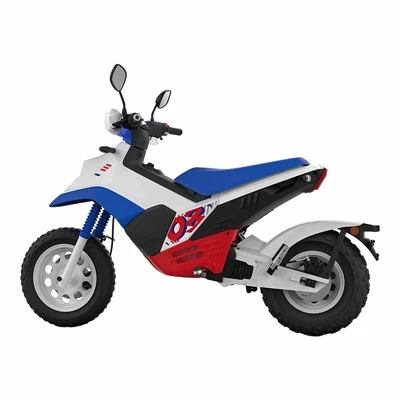
First, let’s start with the basics: How much effort does it take to even get on and go? Unlike a bicycle, which has pedals you have to pump to build momentum, most entry-level electric scooters are throttle-activated (some even have a push-button speed control, if you’re nervous). You just step on the deck, hit the throttle, and off you go. Our average beginner customer—whether they’re 19, 32, or 58—usually picks up how to ride in 15 to 20 minutes. The biggest hurdle isn’t balancing; it’s the initial “wait, how do I not tip over when I start moving?” thing. We always tell new riders to start slow: Put both feet on the deck, hold the handlebars lightly (not death-gripping them like it’s a rollercoaster), and squeeze the throttle just a tiny bit at first. Once you’re moving at a slow, walking-like pace (3 to 5 mph), balance feels way less scary. We’ve had so many people come back saying they thought they’d fall on their first try, but ended up zipping around their block without tripping over the curb. That’s the truth of it—beginners overcomplicate balance way more than they need to.
Now, let’s talk about the little things that trip new people up, because it’s not all smooth rolls. The two biggest pain points we hear from first-timers are stopping and turning. Stopping’s easy if you pick the right scooter, honestly. Entry-level models for beginners have either a foot brake on the back wheel or a combined brake (front + rear) that’s activated by squeezing the left handlebar. A lot of new riders worry they’ll jam on the brake and fly over the handlebars, but modern e-scooters have anti-lock brake tech on most models we supply, so you stop gradually if you squeeze gently. We always tell newbies: Practice stopping in your driveway first, not in the middle of a busy street. Turning is another one—you don’t crank the handlebars like you’re steering a car, right? You lean your body slightly in the direction you want to go, like when you ride a skateboard. That takes 5 minutes to get the hang of, but once you do, it feels way more natural than forcing the handlebars. We’ve had people come in after their first week saying they still mess up a turn when they’re going too fast, but that’s just muscle memory—you get it with a little practice.
Wait, but what about size and weight? If you’re a smaller person or someone who’s never balanced on a two-wheeled thing before, does that matter? Yeah, but not as much as you’d think. The entry-level scooters we supply for beginners are usually around 25 to 30 pounds, light enough that most people can pick them up and toss them on a bus rack or a porch if they need to. The deck (the part you stand on) is 6 to 7 inches wide, which is just enough space for your feet side by side—no squeezing, no trying to stretch one foot forward. A lot of cheap, no-name scooters out there have tiny decks that feel like standing on a pizza box, but we only carry models with decks that are wide enough for most adult feet, so you don’t feel like you’re gonna slip off. We had a customer last year who was 5’2” and came in nervous she’d be too short to reach the handlebars—turns out all our beginner models have adjustable handlebars, so you can crank them up or down to fit your height. That’s a big one; a lot of people overlook adjustability, but it makes or breaks how easy the scooter feels to ride.
Now, let’s get real about the scary parts—like hills or uneven ground. Beginners panic when they see a slight slope, right? But entry-level e-scooters have around 250 to 350 watts of power, which is enough to get you up a gentle hill (like a 5% grade, which is super common in neighborhoods) without breaking a sweat. We’ve tested that ourselves; I live on a small hill, and my first time on a beginner model, I didn’t have to pedal at all—just held the throttle, and it rolled right up. The catch? If you try to go too fast on a bumpy sidewalk, you might feel a little jostled, which can mess with your balance. That’s why we always tell new riders to stick to smooth paths at first—avoid the cracked parts of the sidewalk, the grass strips, the tree roots—until they’re comfortable. Once you get the hang of it, you can handle small bumps, but no one says you have to go all out day one.
But wait, is there a difference between a cheap rental scooter and a good beginner model? Oh, huge. I’ve seen so many people rent those shared scooters that have cheap plastic parts, wobbly handlebars, and barely any power—they end up hating it because it feels flimsy. The scooters we supply for beginners are built with solid aluminum frames, high-traction tires, and brakes that actually work. Those small, quality differences make all the ease of riding difference. A rental scooter might lurch when you hit the throttle, which throws new riders off; a beginner model from a reputable supplier has a smooth, gradual throttle, so you can build speed without jerks. That’s why we push people to buy their own first scooter instead of relying on rentals—once you get used to your own setup, it’s way less intimidating to ride.
Let’s also talk about the stuff that’s not about the scooter itself, because that matters too. New riders often overthink safety, which makes them tense and worse at balancing. We always tell beginners to start with a helmet (duh, we include one in all our beginner kits now), wear closed-toe shoes, and go somewhere with no traffic first—a quiet residential street, a empty parking lot, even your own driveway. Once you’re comfortable going slow, you can move to busier areas. I saw a teen last month who was terrified to ride down to the corner store; after two practice sessions in the empty parking lot behind our shop, she was zipping around the main road like she’d been doing it for years. The fear is the biggest barrier, not the scooter.
Now, let’s address the common myths, because there’s a lot of misinformation out there. Some people say “e-scooters are impossible to ride if you don’t have good balance.” No, that’s not true. Our most popular beginner model is sold to people who’ve never ridden a bike or a skateboard, and 9 out of 10 of them say they got the hang of it in less than 20 minutes. Another myth: “They’re only for young people.” We have customers in their 60s and 70s who buy our beginner scooters for short trips to the grocery store, and they say they find them way easier than bikes because there’s no pedaling. The myth that you need to be athletic? Total bunk. All you need is to stand on two feet and squeeze a throttle—no fancy skills required.
So, putting it all together: Are electric scooters easy to ride for beginners? Yeah, most of the time—if you get the right model and take it slow. It’s not rocket science, and you don’t have to be a pro to pick it up quickly. The hurdles are small: getting used to balance, learning to stop and turn, and not being scared to try. The biggest mistake new riders make is pushing themselves too hard too fast—go at your own pace, practice in a safe spot, and it clicks pretty quick.
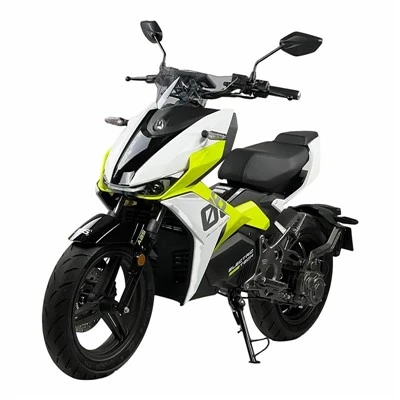
If you’re a beginner reading this and thinking about getting your first e-scooter, don’t overthink it. If you’re looking for a solid, beginner-friendly model that’s built to last, we’ve got you. We’ve worked with thousands of new riders to pick out the perfect setup—adjustable handlebars, smooth throttles, reliable brakes, and lightweight enough to handle. Whether you need one for commuting to work, running errands, or just zipping around your neighborhood, we can help you find what fits. If you’re interested in learning more or chatting about what works for you, reach out. We’re here to answer any questions, no sales pressure, just real advice from people who actually work with e-scooters every day.
City Electric Scooters References
- National Association of City Transportation Officials. (2023). Micromobility Beginner Experience Report.
- International Council on Clean Transportation. (2022). User Perceptions of Light Electric Two-Wheelers for New Riders.
- Journal of Transport Geography. (2021). Balance and Mobility: E-Scooter Adaptation for Non-Cyclists.
- U.S. Consumer Product Safety Commission. (2023). Beginner E-Scooter Safety Guidelines for New Riders.
Zhejiang Dianfei New Energy Technology Co., Ltd.
With abundant experience, we are one of the most professional electric scooter manufacturers and suppliers in China. Please feel free to wholesale durable electric scooter made in China here from our factory. Quality products and reasonable price are available.
Address: Room 904A, Building 1, Zhonghao International Business Center, No.672 Xintang Road, Hangzhou, China
E-mail: ethan@felomotor.com
WebSite: https://www.felomotor.com/
