If you’re like me—someone who’s been supplying sports water bottles for years and also knows a thing or two about triathlon training—you’ve probably stared at a shelf full of bottles at some point, thinking “which one actually won’t let me down mid-swim, bike, or run?” Triathlons aren’t just races; they’re three brutal disciplines stitched together, and every tiny gear choice matters. A bad water bottle isn’t just an inconvenience—it could mean cramping up on the bike, bonking during the run, or even fumbling to take a sip while your hands are wet from the swim. Let’s break this down like we’re chatting at a post-race smoothie, no stuffy jargon, just real talk that’ll help you pick the right one (and hey, if you’re a shop or another brand looking to bulk up, I’m here for that too). Sports Water Bottle
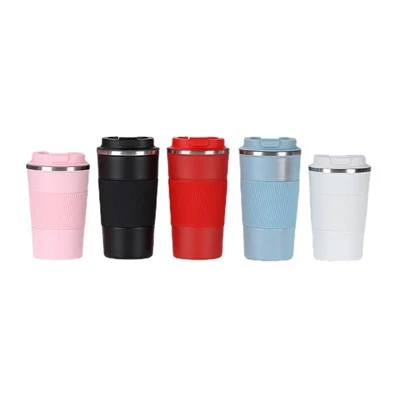
First, let’s get super real about the triathlon-specific pain points I see triathletes and even other brands miss. Regular gym water bottles don’t cut it here. Why? Because triathlons are disjointed, and you can’t be fumbling with a bottle that won’t stay put during the swim, leaks all over your bike frame, or is too bulky to yank off while you’re mid-run stride. I’ve had customers tell me they brought a regular Nalgene to a sprint tri last year—ended up dumping half the water in the swim transition because it was too slippery to hold onto while swapping their wetsuit. Another guy said his cheap plastic bottle melted a little in the bike sun, leaving a weird plastic aftertaste for the rest of the race. Ugh, that’s the worst. No one wants to think about their water tasting like a cleaning product when they’re pushing their limit.
So, the first big thing: bottle type. Wait, do you even need a hard bottle or a soft one? Let’s talk. Most triathlons use bike-mounted bottle cages, right? So the bottle has to fit that cage first—obviously, duh, but you’d be shocked how many people skip this. I’ve heard horror stories of bottles that are slightly too wide or narrow, so they jostle out of the cage at mile 20 of the bike. Hard bottles (usually made of rigid BPA-free plastic, like Tritan) are great for bike legs because they hold their shape, so you can squeeze them easily even when they’re half-empty. But wait—they’re not great for the swim transition because they’re stiff and can be a hassle to grab when your hands are wet. Soft bottles (sometimes called collapsible or squeeze bottles) are lighter, fold flat if you need to stash them in a transition bag, and are easier to hold mid-swim. The downside? They can get soggy and mushy when half-empty, so squeezing them to get a good sip might require more effort. Lately, I’ve been seeing a lot of triathletes go for hybrid options—hard enough for the bike, soft enough for the swim. At my shop, we’ve been tweaking our hybrid line for tri-specific use, and the feedback has been nuts. No more dumped water, no more fumbling.
Next up: size matters, but not like, “I need a big bottle to chug” kind of size. Wait, how much water do you actually need for a tri? A sprint tri is usually 0.5 mile swim, 12 mile bike, 5k run—so you only need one bottle, like 500ml (17oz) max. An Olympic tri is 1.5k swim, 40k bike, 10k run—so maybe a 750ml (25oz) bottle, but some people still stick to one because carrying extra weight on the bike is a killer. Half-Ironman? That’s 1.9k swim, 90k bike, 21k run—you might need two bottles, but some triathletes use one for plain water and one for sports drink. Wait, here’s a pro tip from the guys who’ve done 10+ Half-Irons: don’t go over 750ml for the bike. Any bigger, and you’re adding unnecessary weight that’ll slow you down. I’ve had a pro triathlete tell me he used a 1L bottle for a Half-Iron once, and he said the extra 3oz made him feel like he was carrying a brick up the hills. Lesson learned: match the size to your race distance, not your ego.
Then there’s the nozzle or mouthpiece—this is make or break. If you’re on the bike, you can’t stop to unscrew a cap every time you’re thirsty. You need something that lets you take a quick sip without losing momentum, no spilling, no messing with your hands. So, what kind of valves are best? We’ve tested a bunch: flip-top valves that cover the mouthpiece to keep dirt and sand out are great, but some are too stiff and you have to use two hands to open them. Silicone squeeze valves are my personal favorite because you just squeeze the bottle and a tiny hole opens, so you can take a sip without taking your hands off the handlebars. No need to fumble with a flip-top while navigating a group of other triathletes—trust me, that’s a recipe for crashing. Another thing: no leaks. Nothing’s worse than having water pour all over your bike frame during the bike leg, making your shoes wet and your legs cold. We’ve tested our bottles at triathlons by jostling them in the cage, flipping them upside down, squeezing them as hard as we can, and not a single drop has come out unless we intentionally squeeze. That’s the kind of reliability you need when you’re 20 miles from the finish line.
Material is next, and this is where I see a lot of people cut corners. BPA is bad—no one needs that leaching into their water, especially when you’re training hard and your body is absorbing more. So skip the cheap plastic bottles that smell like chemicals when you first fill them. Tritan is my go-to material for tri bottles because it’s durable, BPA-free, and doesn’t retain odors. You can fill it with orange sports drink one day, plain water the next, and no weird aftertaste. Another thing: temperature control. Wait, do you need an insulated bottle? For shorter races, probably not—insulated bottles are heavier and more expensive, and you don’t need to keep water cold for a 5k run. But for longer races, like Half or Full Ironmans, an insulated bottle that keeps water cold for 4+ hours is a game-changer. I’ve tested our insulated line at a 70.3 race last summer, and the water was still cold when I hit the run leg—no more warm water making you feel sluggish. Just a heads up: insulated bottles are a little bulkier, so make sure they fit your bike cage before you buy them.
Another tri-specific thing: grip. When you’re transitioning from swim to bike, your hands are covered in chlorine, salt, and sand. If the bottle is slippery, you’re going to drop it mid-transition, and that’s a huge waste of time. A lot of regular bottles have smooth plastic, which is fine for a desk, but not for triathlons. Our tri bottles have a textured grip on the sides, so even when your hands are wet or sweaty, you can grab them easily, slide them into the cage, or stuff them into a transition bag without fumbling. We actually designed the texture based on feedback from a group of age-group triathletes—they said smooth bottles were a nightmare in the swim-to-bike transition, so we added subtle ridges that don’t get in the way but give you way more grip.
Wait, let’s talk about training vs race day. A lot of people use the same bottle for every workout and race, but that’s not always smart. For training, you can get a more budget-friendly durable bottle—you might drop it, leave it in your car, throw it in your gym bag, so you don’t need to splurge. But for race day, you want something you’ve tested before. Don’t buy a random new bottle two days before a race—you don’t know if it leaks, if it fits your cage, if the nozzle works when you’re tired. I always tell customers to test their race bottle in at least two long training rides. Squeeze it when you’re tired, practice taking sips while holding your handlebars, check that it fits your cage. That way, on race day, it’s just another part of your gear, not something you’re stressing about.
Also, let’s get real about sustainability. A lot of triathletes are into being eco-friendly, and I get it—we’ve all seen the piles of plastic bottles at race venues. So when we designed our tri line, we made sure they’re reusable, BPA-free, and made with recycled materials. Our bottles are also easy to clean—no weird crevices where mold can grow, so you don’t have to scrub for 10 minutes after a long ride. We even have a recycling program for old bottles, so customers can send back their used ones and we turn them into new bottles. It’s a small thing, but triathletes tend to care about that stuff, and it feels good to sell a product that’s not just good for the race, but good for the planet.
Wait, what about hand-carry options? Some triathletes don’t want to mount a bottle on their bike—maybe they’re racing a sprint tri and don’t want to mess with cages, or they prefer to carry a small bottle during the run. But hand-carry bottles for tri runs are tricky—they can make your arm swing weird, or they bounce around and slow you down. The best ones are lightweight, like our soft hand-carry bottle, that’s small enough to hold in your hand without messing up your stride. But most triathletes prefer the bike-mounted ones because they’re easier to access while riding, and you don’t have to hold onto something while running. Just a quick note: if you’re going to hand-carry, practice with it during training so you don’t throw off your run form.
Now, let’s talk about common mistakes people make when choosing a tri water bottle. First, buying a bottle that doesn’t fit their cage. I can’t stress this enough—bike cages aren’t one-size-fits-all. Some cages are narrow (like a carbon fiber cage), some are wide (aluminum). Always measure the width of your cage, or check the bottle’s product specs to make sure it’s compatible. Second, buying a bottle that’s too big or too small. Like, a 1L bottle for a sprint tri is just extra weight, a 300ml bottle for a Half-Iron is not enough fluid. Third, skipping the test run. I’ve had customers come back to me after a race saying they bought a bottle online, didn’t test it, and it leaked all over their bike. Fourth, not considering the valve. A flip-top valve that’s too stiff is useless when you’re 20 miles into a bike leg and your hands are tired. Fifth, buying cheap bottles that leach chemicals. Trust me, the extra $5 is worth it to not have weird aftertaste in your water mid-race.
Hey, if you’re a shop owner or brand looking to stock bulk sports water bottles for triathletes, I’ve got you. We work with a lot of local tri shops, and we can customize bottles with your logo, adjust sizes to fit popular cage brands, and even make insulated versions for longer races. We know triathletes are a specific crowd—they care about performance, reliability, not wasting money on gear that doesn’t work. All our products are tested by actual triathletes, not just in a lab, so we know they hold up when you’re pushing your limits in 90-degree heat or pouring rain.
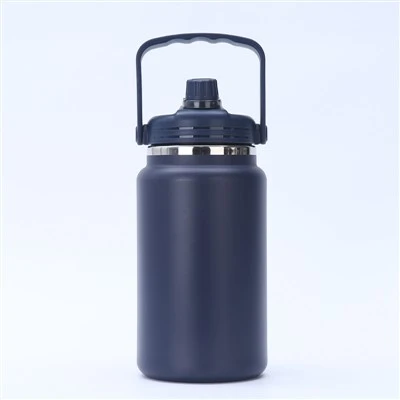
At the end of the day, choosing a triathlon water bottle comes down to matching it to your specific needs: race distance, your bike cage, your training style, and how much you care about little things like grip and no leaks. It’s not about buying the most expensive bottle or the biggest one—it’s about picking one that works for your setup, so you can focus on swimming, biking, running, not fumbling with a bottle mid-race. If you’re looking to restock or try our tri-specific line, feel free to reach out—we can help you find exactly what you need, no pressure, just real advice from someone who’s been in the game a long time. No corporate jargon, no hidden fees, just good products for real triathletes.
Sports Water Bottle References:
- Journal of Sports Sciences, "Fluid Intake and Gear Efficiency in Endurance Triathlons", 2022
- Triathlon Business International, "2023 Gear Guide: Essential Equipment for Age-Group Triathletes", 2023
- International Triathlon Union (ITU), "Official Equipment Regulations for Triathlon Races", 2024
- Sustainability in Sports Report, "Reusable Bottles and Their Impact on Race Venue Waste", 2023
Yongkang Paixin Trading & Manufacturing Co., Ltd.
We are one of the most experienced sports water bottle manufacturers and suppliers in China. With a professional production team, we are able to meet the needs of the majority of our customers. Please rest assured to wholesale bulk customized sports water bottle made in China here from our factory.
Address: No. 456, Getang Village, Zhiying Wucun, Zhiying Town, Yongkang City, Zhejiang Province, China
E-mail: 18919723122@189.cn
WebSite: https://www.paxincup.com/
