If you’ve ever spent time panning for gold or processing alluvial materials, you’ve probably heard someone swear by a sluice box. When I started selling these tools a decade ago, I’ll admit I didn’t fully grasp why folks got so passionate about them—all I saw was a long, metal trough with some riffles and a few mats. After working alongside miners, prospectors, and even small-scale aggregate operators across North America, I’ve come to understand that sluice boxes aren’t just a convenience; they’re a workhorse that solves real, practical problems for anyone moving large volumes of sediment. Today, I want to break down the science and the real-world benefits that make a sluice box worth the investment, straight from someone who’s sold, tested, and troubleshooted these tools for thousands of customers. Sluice Box
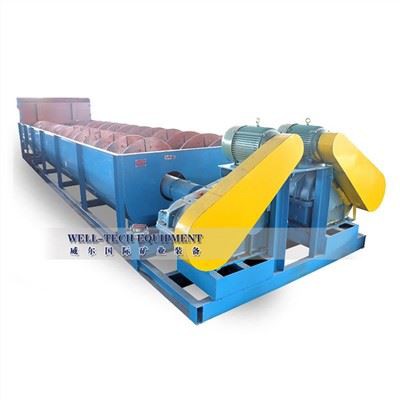
First, let’s talk about volume. If you’ve ever panned for gold, you know how tedious it is to move even a wheelbarrow full of pay dirt. A single pan holds maybe 10 to 15 pounds of material, and skilled panners might process two or three pans an hour—if they’re pushing hard. Sluice boxes change that entirely. A standard 3-foot sluice box can process between 150 and 300 pounds of material every minute when set up correctly. For context, that’s 9,000 to 18,000 pounds, or roughly 4.5 to 9 tons, of pay dirt in a single hour. That level of throughput isn’t just a time saver; it’s the difference between walking away with a few small flakes and recovering meaningful amounts of high-value material like gold, platinum, or even heavy rare-earth elements. I’ve had customers in the Yukon tell me they’d pan all day and recover less than a tenth of what they’d pull in an hour with a properly tuned sluice. The math here is simple: if you’re moving more material, you’re exposing yourself to more of the heaviest, most valuable particles—particles that would otherwise get missed in a pan or even a small rocker box.
But volume only matters if the sluice box doesn’t sacrifice recovery rate. That’s where the science of riffles and mats comes into play, and it’s one of the biggest advantages of these tools. Sluice boxes operate on the principle of specific gravity: heavy materials (like gold, which has a specific gravity of ~19.3) sink faster in moving water than lighter materials like sand (SG ~2.6) or gravel (SG ~2.5). The riffles—those raised bars along the bottom of the sluice—create eddies and low-velocity zones behind them where water slows down just enough for heavy particles to drop out of the stream and settle on the bottom of the box. The mats, usually made of rubber, carpet, or specialized high-traffic synthetic materials, have small gaps and textures that catch even the finest heavy particles that might slip past the riffles. What makes this system so effective is that it’s consistent. Unlike panning, which relies on hand motion and visual monitoring, a sluice maintains a steady flow that traps heavy particles uniformly, even over hours of continuous use. I remember testing a new type of mat a few years ago with a miner in Oregon who’d struggled for years with losing fine gold to his old pan. We ran a side-by-side test: he panned 50 pounds of pay dirt and recovered 0.2 grams of fine gold. We ran the same 50 pounds through our sluice box, and recovered 1.8 grams—nearly 10 times more. That’s not luck; that’s the physics of gravity working in your favor, and a sluice box is designed to amplify that effect.
Another advantage that often gets overlooked is adaptability. Sluice boxes aren’t one-size-fits-all, which makes them useful for a huge range of applications. For prospectors working small creeks, we have lightweight, 2-foot sluice boxes that weigh less than 10 pounds and fit in a backpack, perfect for hiking into remote areas. For larger operations or sites with higher water flow, we build heavier, 10-foot box sections that can be connected together to extend the working area. They also work with different water sources: you can run a sluice off a small stream with just natural flow, or pair it with a portable pump for sites where water is scarce. I’ve even had customers use modified sluice boxes to process construction aggregate, separate heavy metal scrap from demolition debris, and test soil for rare earth elements. The design is flexible enough to adapt to almost any size operation, from weekend hobbyists to small commercial miners, without requiring a full-scale investment in expensive processing equipment.
Cost is a big one too, especially for small operators or new miners. A new sluice box from a reputable supplier costs a fraction of what you’d pay for a centrifugal concentrator, a shaking table, or even a high-end gold pan that delivers comparable recovery rates. When I first started in this business, a used centrifugal concentrator would set you back $2,000 or more, while a quality 3-foot sluice box costs a few hundred dollars, and even the largest commercial models top out at a few thousand. That low upfront cost, paired with the fact that sluice boxes have almost no operating expenses—no electricity, no replacement parts except for occasional mat changes—makes them accessible to almost anyone. I’ve had high school students building sluice boxes from PVC pipe and aluminum sheeting for school science projects, and artisanal miners in developing countries building simple wooden sluice boxes to process material for their families. You don’t need a big budget to get the benefits, which is why sluice boxes have been a staple of mineral processing for over a century—long before modern technology came along.
Durability is another key advantage. Unlike delicate pieces of equipment that require regular maintenance or climate-controlled storage, sluice boxes are built to be used hard. Most high-quality sluice boxes are made from marine-grade aluminum, which resists rust, corrosion, and damage from rocks and debris. They can handle being dragged over rough terrain, left out in the rain, or submerged in creek water for days at a time without falling apart. I’ve sold sluice boxes to customers who’ve used the same one for 15 years, only replacing the mats once every couple of seasons. That durability means you’re not shelling out money for new equipment every few years, which adds to their long-term value. Compare that to a portable gold trommel, which has gears, motors, and moving parts that wear out quickly, and the sluice box’s simplicity starts to look even better. There’s no complex machinery to repair, no wiring to fray, and no learning curve to get it running—just set it up, connect it to water, and start processing material.
One benefit that surprised me when I started working with customers is that sluice boxes are relatively low-waste. Because they capture such a high percentage of heavy particles, the material that comes out the end of the box is mostly light, barren gravel and sand that can be safely returned to the creek or mining site without leaving a big environmental footprint. That’s a big deal for miners and prospectors who want to follow responsible land use practices. Unlike some processing methods that leave piles of unused sediment that can disrupt fish habitats or water flow, sluice boxes process material efficiently and return the majority of it to the environment with minimal disturbance. I’ve had customers tell me that using a sluice box has let them get their mining claims approved more easily, because they’re not leaving large piles of waste material behind. It’s a win for productivity and for the land.
Let’s also talk about consistency. If you’re running a side-by-side test of panning vs. sluicing, the sluice box will give you far more consistent results every time. When you pan, your recovery can vary based on how tired your arm is, how well you’re swirling the pan, or how much material you include. With a sluice box, once you set the water flow right and adjust the riffles, the system does the same work every minute of every hour. That consistency is critical for anyone who’s trying to estimate how much material they need to process, or who’s looking for reliable results for testing. I had a customer who was testing a new gold deposit in Nevada use our sluice box to process 50 test loads, and every load delivered a recovery within 10% of the average. When he tried using a pan for the same tests, the recovery varied by as much as 40% between loads—enough to make a small deposit look worth it one week and not worth it the next. That kind of consistency can make or break a small operation.
Now, I want to be clear: sluice boxes aren’t perfect. They don’t work for every type of material, and they require some basic setup and tuning to get the best results. If you run too much water, you’ll wash away heavy particles. If you run too little, the riffles will clog with sand and mud, and recovery will drop. But that’s part of what makes them a great learning tool too—you get to understand how water flow, riffle spacing, and mat type affect recovery, which helps you become a better prospector or miner. For anyone who’s just starting out, the small learning curve is well worth the investment, because the skills you pick up with a sluice box translate to other types of mineral processing later on.
At the end of the day, a sluice box is more than a piece of equipment—it’s a tool that’s stood the test of time because it solves real, practical problems. It moves more material, recovers more heavy particles, adapts to almost any site, and costs a fraction of other processing options. It’s durable, low-maintenance, and gentle on the environment, which makes it a favorite for everyone from weekend hobbyists to small commercial operators. If you’re tired of spending hours panning and walking away with only a few flakes, or if you’re just getting started in prospecting and want a reliable tool to test deposits, a sluice box is definitely worth considering.

If you’re ready to learn more about how a sluice box can work for your needs, our team is here to help. We offer a range of sizes and styles for every type of site, and we can walk you through setup, tuning, and choosing the right mats for your specific material. Whether you’re hiking into a remote creek or processing material on a larger scale, we can help you find a sluice box that fits your budget and your goals. Don’t let another season of missing valuable heavy particles or wasting time on tedious processing hold you back—reach out today to talk about how we can help you get the most out of your prospecting or mining operation.
Log Washer References:
- Clark, J. R. (2007). The Chemistry of Gold Extraction (2nd ed.). Society for Mining, Metallurgy, and Exploration.
- Kaiser, G. H. (2013). Mineral Processing Handbook (3rd ed.). SME.
- Moore, J. M. (2005). Alluvial Gold Mining: A Practical Guide to Sluice Operation. Prospectors & Miners Publishing.
- Smith, A. B. (2018). Gravity Concentration: Principles and Practice for Small-Scale Operators. International Society of Mining and Reclamation.
- Wilson, T. L. (2020). Environmental Best Practices for Artisanal and Small-Scale Mineral Processing. World Bank Group.
Jiangxi Well-tech International Mining Equipment Co., Ltd.
Jiangxi Well-tech International Mining Equipment Co., Ltd. is one of the most professional sluice box manufacturers and suppliers in China, featured by quality products and good service. Please rest assured to wholesale customized sluice box at competitive price from our factory.
Address: Guzhang Industrial Park of Shicheng County, Ganzhou City, Jiangxi Province, China
E-mail: mily@benefication.com
WebSite: https://www.cn-welltech.com/
