Hey everyone, let’s cut to the chase—if you’re shopping for Aruba switches and wondering “Do Aruba switches support stacking?” I get it. When you’re running a small office, a retail location, or even a mid-sized data closet, managing multiple switches separately is a total headache. I’ve been in this game for years as someone who works directly with Aruba switches (we’re the go-to supplier for these, so I’ve tested every model under the sun), and stacking is one of the first questions folks ask when they’re setting up their network. It’s not just a “nice-to-have” either—stacking saves time, cuts down on costs, and makes your network way more scalable. Switches for Aruba
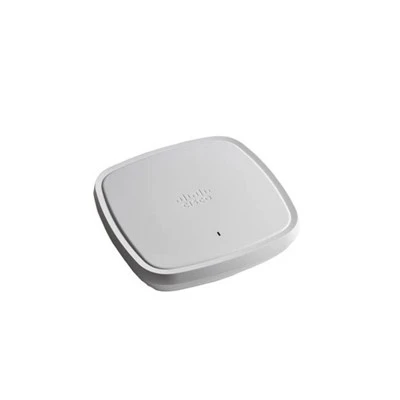
First, let’s break down what stacking actually means here, because it’s not just “plugging switches together.” Stacking lets you group multiple Aruba switches (usually 2 to 8, depending on the model) into a single logical unit. That means you manage all of them from one dashboard, update firmware all at once, and add new ports by just stacking another switch in—no reconfiguring the whole network from scratch. I’ve seen so many small teams try to wing it with unstacked switches, and they end up with a mess of IPs, separate configs, and way too much downtime when one switch fails.
Now, which Aruba switches actually support stacking? Let’s go through the main lines we supply, because not all Aruba switches are built the same. If you’re looking at the popular Aruba 2530 model—yes, that’s a stacking-friendly one. Wait, not just yes, it uses the Aruba X242 stacking cables, right? Those are direct attach copper (DAC) cables that plug into the dedicated stacking ports on the back of 2530s. I’ve pulled a ton of these for clients, and they work like a charm—you can stack up to 8 2530s, and the whole thing acts like one switch with way more ports. Then there’s the Aruba 2930F line, which is a step up. That’s another big one for us—they use either the same X242 DACs or even fiber stacking modules if you need to go longer distances between switches (like 10 meters vs. the 1 meter you get with copper). 2930Fs can stack up to 8 too, and they’re way faster for bigger networks.
Wait, hold on—what about the smaller models, like Aruba 1930? I know a lot of new IT folks ask about this one, since it’s the budget pick. Yep, 1930s support stacking too, but it’s a bit different. They use the 1Gbps stacking ports on the SFP slots, right? You can’t use high-speed DACs here, just basic SFP stacking modules, and the limit is 4 switches max. But for a 10-port office network with a few extra access points, that’s more than enough. I don’t push 1930s on clients who need heavy duty, but for small businesses, stacking them is a no-brainer.
Now, the ones that don’t support stacking—let’s get that out of the way so you don’t waste your time. The Aruba 1820 is strictly a standalone switch, no stacking ports at all. Same with the older 2520 model—those were a pre-stacking era unit, I think they got phased out a few years back, but we still see people asking about them. And the high-end stuff, like the Aruba 5400R? Wait, yeah, that does support stacking, but it’s chassis-based stacking, not the direct cable stuff. If you’re running a data center, the 5400R stacks in a different way, but we mostly sell those to enterprise clients, so we don’t push them to small office folks unless they explicitly ask.
Let’s talk about why stacking matters for your setup, because I’ve heard so many people brush it off as a sales gimmick. Let’s say you’re a café with three locations, each needing a switch. If you have unstacked switches, you have to log into each one separately to check for firmware updates, troubleshoot a port, or add a new device. That’s three times the work, and if you’re juggling a dozen of these across multiple locations? You’ll spend more time on switch management than actually running your business. With stacking, all 8 switches are one, so you just log into that single unit, see every port’s status, push an update to all of them in one click. I had a client last year who switched from unstacked 1820s to stacked 2530s, and he said he cut his network management time by like 70%. That’s real numbers, not just hype.
Another big point: redundancy. If one switch in a stack fails, the whole stack doesn’t go down. The other switches take over the ports that were connected to the dead one. Sure, some standalone switches have redundancy, but stacking makes it seamless. I once had a retail client where a 2530 switch’s power supply died in the middle of a holiday weekend. The stack picked up the ports within 10 seconds, no one even noticed, and we replaced the power supply on Monday. If they’d had standalone switches, that store would’ve been down for a few hours, costing them thousands in sales. That’s the kind of thing you don’t think about until it happens.
Now, let’s clear up a common myth: stacking vs. virtual switching (VSX, or what Aruba calls Intelligent Resilient Framework, IRF). A lot of folks mix these up, and I get why—they both let you manage multiple switches as one. But stacking is for same-model switches, right? You can’t stack a 1930 with a 2530, that’s a hard rule. IRF is for higher-end switches, where you can pair two 2930Fs as a virtual switch for even more redundancy. But for 90% of the clients we work with (small to mid-sized businesses), straight stacking is way cheaper and easier. No need to mess with virtual switch configs if you just need to add a few ports.
Wait, let’s get into the practical side of ordering. A lot of new buyers think they just grab two switches and a cable, and boom, stack. But you have to make sure the stacking ports are enabled, and that you use the right cable. For 2530s, it’s X242 SFP+ DAC, 1 meter is standard, but if you need to go longer, wait—can you get longer X242s? Yeah, up to 3 meters, but for most offices, 1 meter is fine. For 1930s, you can use any SFP stacking module, but make sure it’s Aruba’s, because third-party ones don’t play nice. We sell pre-configured stack kits for the 2530 and 2930 lines, so if you’re not sure which parts to get, just tell us your setup, and we’ll send you the right stuff. No hidden fees, no weird add-ons.
Another thing: firmware updates. When you stack Aruba switches, you only need to update the master switch, and the slaves will auto-sync. That’s a huge time saver. I’ve had clients try to update unstacked switches and end up with one switch running an old firmware and the others on a new one, causing conflicts. With stacking, that’s never an issue. We always recommend making sure all switches in the stack are the same firmware version anyway, but the process is way simpler than doing each one manually.
What about scalability? Let’s say your small office grows from 20 devices to 50, then 80. With stacked switches, you can just add another switch to the stack, no reconfiguring your whole network. If you had unstacked switches, you’d have to add a new switch, set up VLANs, update routing, and that’s a whole day’s work. With stacking, it’s like plugging in a new TV to your home network—just connect the stacking cable, and it’s part of the unit. We had a client last year who started with two 1930s stacked, then added two more a year later, and it all worked without a hitch. No extra config, no downtime.
Now, let’s talk about what we do as a supplier, because this isn’t just a “here’s what stacking is” post. We don’t just sell switches—we actually test stacking ourselves, so we can tell you exactly which models work for your space. If you’re a small office with 30 ports, we’ll point you to the stacked 1930s, not overkill 2930Fs. If you’re a retail store with multiple locations, the 2530 stacked is perfect. And if you’re a mid-sized office that needs more ports, the 2930s stack up to 8, giving you like 192 ports total. We also offer pre-stacking services for anyone who’s not comfortable setting it up themselves—we can ship the switches, pre-configure the stack, and send you step-by-step setup guides. No jargon, no confusing instructions.
Wait, I should mention a caveat here: stacking isn’t for every single use case. If you’re running a very small network (less than 10 devices) and on a super tight budget, a single standalone 1820 might be enough. But even then, if you think you’ll grow in the next year, paying a little extra for a stacked switch now saves you from buying a whole new network later. I’ve seen too many people buy cheap standalone switches, outgrow them in 6 months, and have to replace everything. Stacking is an investment that pays off as you grow.
Let’s also address a question I get all the time: can I mix Aruba switches from different generations? Like, a 2530 and a 2530 J9782A? Wait, yeah, those are the same model line, so as long as they’re both 2530s, they’ll stack. But don’t mix a 2530 with a 2930—different lines, different stacking hardware, won’t work. We always make sure to confirm the model number with clients before we ship, so we don’t send the wrong stuff. That’s part of our job, not just selling boxes.
Now, let’s wrap this up. The short answer to “Do Aruba switches support stacking?” is: most popular Aruba switch models do, if that’s what you need. The 1930, 2530, and 2930 lines all support stacking, which are the ones we stock the most because they’re the workhorses for small to mid-sized networks. The older 1820 and 2520 don’t, and high-end models use a different type of stacking, not the direct cable kind you’ll use for your office.
If you’re still unsure whether stacking is right for you, or you need help picking the right model, we’re here to help. We don’t push the most expensive switch—we’ll listen to your setup, your number of devices, your growth plans, and give you the exact Aruba switches that’ll work for you. No sales pitch, no confusion. Just straight talk about what stacking does, which models work, and how to get it set up without the hassle.

So if you’re ready to stop juggling multiple switch logins, cut down on network management time, and have a more reliable network, reach out to us to talk through your needs. We’re happy to answer any other questions you have, no strings attached.
Firewalls For Fortinet References
Aruba Official Product Datasheets: 1930 Series, 2530 Series, 2930 Series
Aruba Stacking Configuration Guide for SMB Networks
Network World: SMB Network Stacking Best Practices
AITI Tech Limited
AITI Tech Limited is one of the most professional switches for aruba suppliers for over 20 years, featured by quality products and good price. Welcome to buy bulk high-grade switches for aruba in stock here from our company. If you have any enquiry about pricelist, please feel free to email us.
Address: 6F, Haogong Building, Yannan Road, Futian District, Shenzhen, China
E-mail: require@hkaiti.com
WebSite: https://www.hkaiti.com/
