Hey folks, Jake here from the MFC side of things, and let’s cut to the chase—if you’ve ever dealt with melamine faced chipboard (that’s MFC, y’all) in furniture, cabinetry, or even retail displays, you know how brutal heat can mess it up. Last month alone, I got three calls from small cabinet makers who thought their 1-year-old kitchen cabinets were faulty—turns out they just set a hot skillet right on the countertop edge without a trivet, and boom, bubbled the melamine veneer. As a supplier, I’ve seen this happen way too many times, and it’s not just a “bad install” thing—it’s mostly about how people handle heat exposure, plus a few simple fixes most folks don’t know about. Melamine Faced Chipboard
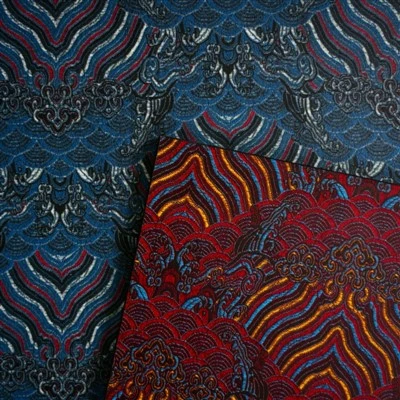
First, let’s get one thing straight: MFC isn’t solid wood, and it’s not heat-proof. The core is chipboard, which is just compressed wood chips held together with resin, and the melamine facing is a thin, hard plastic laminate fused to the top. That veneer can melt, blister, or even peel off when exposed to sustained heat over 170°F (that’s like a hot frying pan left on the counter for 10 minutes, not a quick 2-second set-down). I’ve had a guy bring in a sample that had a huge bubble—turns out he was using a wood stove near his home office desk made of MFC, and the constant radiant heat warped the veneer right off. So heat damage isn’t just direct contact; radiant heat from space heaters, stoves, or even baseboard heaters can mess with it too. That’s a key point most people miss.
Now, the good stuff: how to actually protect MFC, and I’m not just spouting supplier jargon here—these are tricks we’ve tested with our own warehouse samples and customer installs. Let’s break it down into doable steps, not some fancy engineering manual.
First up, direct heat barriers for surfaces. If you’re putting MFC on countertops, that’s the biggest one. A lot of home DIYers or even small contractors skip this because they think “melamine is tough, right?” But no—hot pots, pans, even a heated sandwich press will leave white rings or permanent blisters if you don’t have a barrier. What works best? Not just a random potholder, by the way. Silicone trivests are great because they can handle up to 500°F, and they’re thin enough that you don’t have weird gaps when you close cabinet doors over them. We stock a few cheap silicone sets that we give to our regular customers because we’ve tested them against 450°F griddles for 15 minutes—no damage to the MFC underneath. Then there’s heat-resistant mats made for countertops, like the ones with aluminum cores. Those are perfect for craft tables or desks where you use a soldering iron or heat gun—just make sure the mat is at least 1/8 inch thick, because thinner ones can warp too. Pro tip: don’t use cork trivets for heavy, super hot items like a Dutch oven. Cork chars around 200°F, and that charred residue might stick to the melamine, and worse, it doesn’t block heat well enough. I’ve seen that too— a client’s MFC coffee bar had a black ring from a cork trivet they used for a slow cooker.
Next, radiant heat protection. This is the underrated part. If your MFC is going near a source of consistent heat, like a fireplace mantel, a baseboard heater, or even a rack for a coffee machine that gets hot on the back, you need a heat shield. For mantels, a simple strip of aluminum tape along the back edge of the MFC panel works—aluminum reflects 90% of radiant heat, so that stops the heat from seeping into the veneer. We use this for our commercial display cabinets that go near showroom heaters. Just make sure you cover the area within 6 inches of the heat source, because beyond that, the radiant heat drops off enough that it’s not a problem. Also, never hang MFC shelves above a toaster oven or microwave—those get hot on the sides, and even a microwave running for 10 minutes can add enough heat over time to peel the edge of the melamine. We had a restaurant client who installed MFC shelves above their microwave for storing plates, and after 6 months, the edges started lifting because of the constant radiant heat. Fixed it by moving the shelves 12 inches away from the microwave, no issues since.
Then, edge protection. Most people focus on the top surface, but the edges of MFC are way more vulnerable to heat because they’re exposed chipboard, no melamine veneer there. If you leave them open, heat can seep into the core and cause swelling or delamination. That’s why we always advise customers to use edge banding—either PVC or melamine edge banding, which is super cheap and easy to apply. We have a step-by-step video on our website for applying it, but even if you’re not handy, a professional can do it for like $50 for a full kitchen set. I’ve seen customers skip edge banding on MFC bookcases, and after a year of a space heater blowing directly on the edge, the core swelled so bad the shelves warped. Edge banding acts like a seal, so heat can’t get in there. Also, if you do have edges that are already exposed, you can brush on a clear epoxy sealer—just make sure it’s heat-resistant, not the cheap stuff from the hardware store. We sell a 2-part epoxy that’s perfect for this, and it’s a quick fix for small edge damage.
Wait, what about cleaning products? A lot of folks don’t realize that certain harsh cleaners can make the melamine veneer more sensitive to heat. If you’re using bleach or ammonia-based cleaners on your MFC, they break down the resin that holds the veneer to the chipboard, making it easier for heat to damage. We recommend a mild dish soap and water mix, or a specialized MFC cleaner—we carry that too, and it’s non-abrasive, so it doesn’t scratch or weaken the veneer. I had a customer who used a heavy-duty oven cleaner on his MFC countertop (weird, I know) and a month later, a hot mug left a huge blister. The cleaner had already compromised the bond between the veneer and core, so the heat just did the rest. Lesson there—clean gently, and don’t use harsh stuff.
Now, let’s talk about what not to do, because that’s where most mistakes happen. Don’t put hot items on MFC without a barrier—obviously, but also don’t use MFC for high-heat applications like outdoor furniture, unless it’s specifically rated for it. Regular MFC isn’t weather-resistant, so heat plus moisture from rain or humidity is a double whammy. We get a lot of people asking if MFC works for patio cabinets, and we always tell them to go for the moisture-resistant or exterior-grade, because regular MFC will warp from the sun’s heat and humidity. Also, don’t let direct sunlight hit MFC for long periods. UV rays can fade the melamine veneer, and combined with the heat from the sun, it can make the veneer brittle, so even mild heat will cause it to crack. If you’re using MFC for outdoor displays, make sure to put a UV-resistant sealant on it, and keep it shaded when possible.
As a supplier, I also can’t stress enough that not all MFC is the same. A lot of cheap MFC from overseas has a thin melamine veneer (like 0.2mm thick) that’s way more prone to heat damage than the 0.5mm thick veneer we use. We test every batch of our MFC by heating it to 180°F for 24 hours to make sure the veneer doesn’t bubble or peel—we call that our heat durability test. If you’re buying MFC from a random supplier without that testing, you might be getting a product that can’t handle even regular kitchen heat. That’s why it’s worth working with a supplier who stands behind their product and has test data to back it up.
Let’s wrap this up with a quick checklist, because I know you’re scrolling and don’t want to re-read the whole thing: 1) Use a heat-resistant trivet or mat for all hot items on MFC surfaces. 2) Add edge banding to all exposed MFC edges to seal the core. 3) Reflect radiant heat with aluminum tape if MFC is near heaters, stoves, or other heat sources. 4) Avoid harsh cleaners that weaken the veneer bond. 5) Buy MFC that’s been heat-tested, not just the cheapest stuff.
If you’re a furniture maker, cabinet installer, or even a homeowner looking to get MFC for your next project, and you want to ask about our heat-tested MFC, edge banding supplies, or anything else I mentioned, hit me up. We’re always here to help fix problems before they happen, not after the melamine is bubbled and you’re out a bunch of money. No long sales pitches, just straight answers because we’ve been in this MFC game for years, and we know how easy it is to mess up if you don’t have the right info.
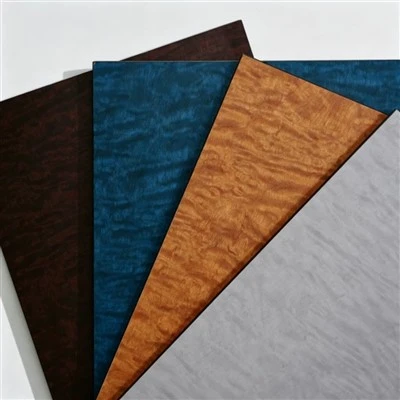
Oh, and one last thing—if you spot heat damage early, don’t panic. Small blisters can sometimes be fixed with a thin layer of heat-resistant adhesive squeezed under the veneer and weighted down for 24 hours. But if it’s a big area, it’s probably better to replace the panel, because trying to fix it will end up looking messy.
Melamine Faced Plywood References:
- Wood Protection Association. "Heat Resistance of Composite Wood Panel Products." 2022
- International Code Council. "Residential Interior Finishes and Heat Exposure Guidelines." 2021
- National Wood Flooring Association. "Laminate and Melamine Veneer Care and Maintenance." 2020
Jiangshan Shunlong Wood Industry Co., Ltd.
As one of the most professional melamine faced chipboard manufacturers and suppliers in China, our products have good reputation in the market. Please feel free to wholesale bulk melamine faced chipboard in stock here and get quotation from our factory. We also accept customized orders.
Address: No.7 Jinfeng Road, Jintangshan Industrial Zone, Hecun Town, Jiangshan City, Quzhou City, Zhejiang Province
E-mail: 17858202655@163.com
WebSite: https://www.shunlongwood.com/
