If you’ve ever had to spec out a screw chiller for a factory, data center, large retail space, or even a brewery, you know the refrigerant is way more than just a “working fluid” inside the unit. When our team gets calls asking, “What refrigerant do you guys use for our screw chillers?” I don’t just rattle off a list of names— I break it down by use case, local rules, and what actually makes sense for your application, not just the cheapest option available. Screw Chillers
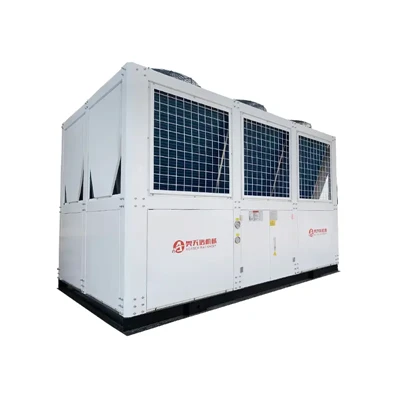
Let’s start with the basics: screw chillers, unlike smaller window AC units or even packaged rooftop units, are built for heavy loads—think 50 to 2,000 tons of cooling, running 24/7 sometimes for months on end. That means the refrigerant they need has to hold up to constant pressure, high temperatures, and tough operating conditions, without breaking the bank or breaking environmental rules.
For the longest time, the go-to refrigerant for most mid-sized to large screw chillers was R-134a. It’s still super common for our mid-range screw chillers, and here’s why: it’s non-flammable, pretty stable over long run times, and works well for air-cooled and water-cooled units between like 35°F and 60°F supply water, which is exactly what most office buildings, hospitals, and manufacturing lines need. I’ll be honest though—R-134a has been on the phased-out list for a minute now, thanks to its global warming potential (GWP). It clocks in at around 1,430, which means if it leaks, it’s 1,430 times worse for the planet than CO2 over 100 years. That’s why we don’t just stick with R-134a for every project anymore.
Once the EPA’s Montreal Protocol updates kicked in a few years back, we started moving a lot of our new screw chillers over to low-GWP alternatives, and the biggest one we use now is R-513A. This one’s a drop-in replacement for R-134a, which is huge for our customers who are retrofitting old chillers instead of buying new ones. It’s got a GWP of only 573—way lower, and it works in almost the same pressures, hoses, and parts as R-134a, so we don’t have to totally rework the unit or switch out a ton of components. No one wants downtime waiting for custom parts, right? R-513A is also non-flammable (it’s an A1 classification, the safest category for refrigerants) so it’s perfect for spaces where flammable stuff is a no-go, like food processing plants or hospitals with sensitive equipment. The only small downside? It’s slightly less efficient at super low temperatures, but for most standard screw chiller applications, that difference is negligible, and the environmental benefit is way more important these days.
Now, if you’re running a really heavy-duty, high-load application—like a data center that needs super precise cooling, or a large industrial plant that runs 24/7—you might hear us talk about R-1234ze(E). That one’s got an even lower GWP, around 7, slightly flammable (A2L classification, which means it’s only mildly flammable, and it’s pretty safe if installed correctly). It’s also super efficient, which saves our customers a ton on electricity bills over the life of the chiller. The catch with R-1234ze(E) is that it’s not a drop-in for R-134a or R-513A—so if you’re retrofitting an older unit, you can’t just swap it in without checking compatibility, and if you’re installing new, we have to adjust the system a bit to accommodate its properties. But for new builds or replacements where energy efficiency is the top priority (and local environmental rules are extra strict), it’s the way to go.
Wait, and I can’t forget ammonia—R-717. A lot of industrial customers, like breweries, chemical plants, or cold storage warehouses, swear by ammonia for screw chillers. It’s got a GWP of 0, which is basically unbeatable, and it’s super efficient for really high-load applications. But here’s the thing: ammonia is highly toxic and extremely flammable in high concentrations, so it’s only used in spaces where there’s good ventilation and safety protocols are rock solid. You can’t put an ammonia chiller in a regular office building, that’s a disaster waiting to happen. So we only offer ammonia screw chillers for customers who have the infrastructure and safety teams to handle it, and we work closely with their engineers to make sure everything is set up right.
I get why this all feels overwhelming. If you’re not an HVAC engineer, terms like GWP, A1 classification, and drop-in replacements can sound like gibberish. And let’s be real, price matters a lot too. That’s why when a customer hits us up asking about refrigerant for their screw chiller, the first thing we ask is: where is it going? What’s the load? Are you retrofitting or buying new? What are the local environmental rules? Because a refrigerant that’s perfect for one project is totally wrong for another.
For example, last year we had a customer in Chicago who needed to replace an old R-134a screw chiller for a 100,000 sq ft office building. They were on a tight budget, and local rules were just kicking in that penalize high-GWP refrigerants. We went with R-513A. It worked with their existing piping, cut their GWP by over 60% from their old unit, and the efficiency was almost identical to what they had before. They loved it because they didn’t have to shut down their whole operation for weeks to rework the chiller.
Another customer out in Arizona was building a new data center, so energy efficiency was non-negotiable, and they needed something that could handle the extreme desert heat. We recommended R-1234ze(E) screw chillers. It’s got a super low GWP, is way more efficient than R-134a, and keeps the server room temps perfectly consistent, even when it’s 110°F outside.
And the brewery out in Milwaukee? They run their chiller for both cooling the beer during fermentation and keeping the warehouse at the right temp year-round. We went with an ammonia screw chiller for them. It’s totally safe in their industrial facility with the ventilation they already have, has zero environmental impact, and saves them thousands a year on energy bills.
A common mistake we see customers make is just going with whatever refrigerant is cheapest right now. But what’s cheap today might get banned in 5 years, leaving you stuck with a chiller you can’t refill or service. That’s why we always stress that you shouldn’t just look at upfront cost—you have to think about the long run: compliance, serviceability, efficiency, and safety.
We also keep a close eye on new refrigerants coming down the pipeline. A lot of companies are testing CO2 (R-744) for screw chillers, especially for low-temperature applications, but right now it’s still pretty niche because it needs super high pressure, so the chillers have to be built extra heavy-duty, which makes them more expensive upfront. We’re waiting for that tech to mature before we offer it widely, but it’s definitely on our radar for future projects.
Another thing to keep in mind is that refrigerant type also affects the service and maintenance of your screw chiller. If you have an A1 refrigerant like R-134a or R-513A, service is straightforward—most local HVAC techs can handle refills and repairs. If you have an A2L like R-1234ze(E), you need technicians who are certified to work with mildly flammable refrigerants, which is standard now, but something to keep in mind when you’re budgeting for service down the line. For ammonia, you need specially trained techs, which is why we only offer ammonia units to customers who already have that expertise.
At the end of the day, the refrigerant for your screw chiller isn’t a one-size-fits-all decision. It depends on your application, location, budget, and long-term goals. We don’t push the most expensive refrigerant or the one that’s easiest for us to install—we find the right fit for your specific needs, so you get a chiller that runs reliably, meets all rules, and doesn’t cost you a fortune to operate.
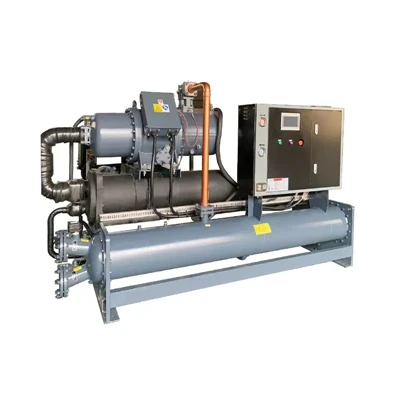
If you’re in the market for a screw chiller, or you’re looking to replace an old one and have questions about what refrigerant makes sense for your setup, feel free to reach out to our team for a free consultation. We’ll walk you through all the options, break down the pros and cons for your unique situation, and make sure you end up with a system that works for you, not just the latest trend. Don’t let refrigerant jargon stress you out—we’ve got you.
Screw Chillers References:
ASHRAE Handbook—HVAC Systems and Equipment, 2021
U.S. Environmental Protection Agency (EPA), Phase-Down of High-GWP refrigerants, 2022
Air-Conditioning, Heating, and Refrigeration Institute (AHRI), Refrigerant Specification Database, 2023
International Institute of Ammonia Refrigeration (IIAR), Ammonia Refrigeration Safety Guidelines, 2020
Kunshan Aotianxin Machinery Co., Ltd.
We’re well-known as one of the most reliable screw chillers manufacturers in China. With abundant experience, our factory offer high quality screw chillers made in China with low price. If you have any enquiry about quotation and free sample, please feel free to email us.
Address: 550 Shengguang Road, Bacheng Town, Kunshan City, Jiangsu Province
E-mail: 1516722561@qq.com
WebSite: https://www.atxks.com/
