Hey everyone, it’s Mia here, your go-to gal for all things timing belts from our company. If you’ve ever popped the hood of a car and felt that weird, shaky hum that just won’t quit, you know the frustration—especially when your mechanic says, “This vibration’s coming from a dozen random parts.” Today, I’m breaking down one of the most underrated culprits: your timing belt. As someone who’s spent the last 8 years helping fleets and small auto shops pick the right timing belts, I can tell you this part isn’t just a “set-it-and-forget-it” thing—it’s a huge player in how smooth (or jittery) your engine runs. Timing Belt
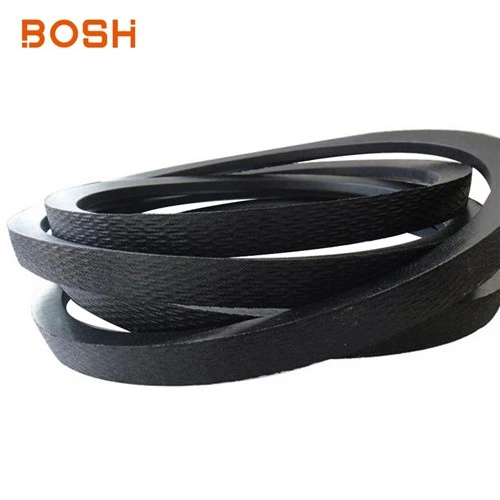
Let’s start with the basics: what a timing belt even does, because a lot of folks mix it up with the serpentine belt. Serpentine belts power your AC, alternator, and power steering—you can see that one right on the front of the engine. But the timing belt? It’s tucked away inside, connecting the crankshaft to the camshaft. Those two parts have to move in perfect sync: the crankshaft pushes the pistons up and down, and the camshaft opens and closes the intake/exhaust valves at exactly the right time to let fuel and air in, and exhaust out. If that sync is off, it’s not just vibration—it’s engine damage. But we’re talking vibration today, so let’s zero in on that link.
First off, a new, properly installed timing belt is like a perfectly tuned dance partner for both the crank and cam. It’s made from a tough rubber compound with fiberglass cords woven inside—light enough to move fast, strong enough to not stretch. When it’s brand new, it has just the right amount of tension. Too tight, and it’ll pull on the camshaft and crankshaft unevenly, making those parts wobble a little as they spin. Too loose, and it’ll slip, which throws the sync off. Either way, that uneven movement ripples through the engine. I’ve seen this firsthand last year with a local auto shop’s client: their 2018 sedan was vibrating so bad at idle, the driver swore a tire was out of balance. Turns out, the shop had installed a budget timing belt and cranked it way too tight to “make it last longer.” We sent them a higher-quality belt, retensioned it to spec, and the vibration was gone in a week. That’s how big this part is.
Now, as that timing belt ages? Stretching is the main villain here. Over time, the rubber breaks down from heat, oil seepage (bad seals!), and thousands of miles of spinning. When it stretches, the sync between crank and cam starts to slip—even by a little bit, like a few degrees. Let’s put that in perspective: at 60 mph, your engine is spinning around 2,000 times a minute. A 1-degree slip might not sound like much, but over 2,000 revolutions, that adds up to a misalignment that makes the pistons and valves bump against each other slightly. That bumping? Translates straight into vibration you can feel through the steering wheel or floorboard. I talked to a guy last month who’d replaced his tires, brakes, and even his motor mounts because he thought that vibration was from worn mounts. It wasn’t—his 5-year-old timing belt had stretched just enough to mess with the sync, and that’s what was causing the shake.
Another thing a lot of people don’t think about: timing belt teeth. Those little notches on the inside of the belt are what lock into the sprockets (the gears on the crank and cam) to keep that sync tight. If the teeth get worn, chipped, or even missing a few (hello, if you skipped your timing belt service!), the belt can slip more. And here’s the kicker: when the teeth aren’t gripping the sprockets evenly, the belt “hops” a little as it spins. That hopping creates tiny, rapid jerks in the movement of the crank and cam, which vibrates the whole engine. We once did a job for a delivery fleet with 12 vans—they were all coming in with random engine vibrations, and we found half had chipped timing belt teeth, the other half had misaligned sprockets. Fixing those two things cut their maintenance costs by 30% that quarter, just from reducing vibration-related wear.
Wait, what about when timing belt issues get really bad? Like, when it breaks entirely (we don’t want that, trust me). On interference engines (most gas cars built after the 90s), a broken timing belt means the camshaft stops moving, but the crankshaft keeps spinning. The pistons slam into the valves, bending them, and the whole engine starts shaking so hard it might even shut off. That’s not just vibration—that’s a $3,000+ engine repair. But even before it breaks, the gradual wear is causing constant, annoying vibration that eats away at other parts. Motor mounts, for example: if your engine is vibrating nonstop, those rubber mounts that hold the engine in place wear out faster. We see that all the time—customers come in for a new timing belt because of vibration, and we notice their motor mounts are already 20% worn, all from the constant shake caused by the old belt.
Now, let’s talk about what makes a timing belt good at reducing vibration, because we’re not just here to point out problems—we’re here to fix them. At our company, we make timing belts with a reinforced rubber blend that’s more resistant to stretching than budget belts. We also control the tooth profile super precisely—even a 0.1mm difference in tooth shape can make a belt grip the sprockets more evenly, which cuts down on that hopping vibration. Another thing: we add a small amount of synthetic friction modifier to our belts, which keeps the tension consistent even as the belt heats up (engines run hot, duh). I had a customer last year who was using a no-name belt that would stretch 2mm after 10,000 miles; he switched to our belt and stretched only 0.5mm after 30,000 miles. His vibration went from noticeable at idle to almost undetectable.
Common myths, by the way: some people think any timing belt will work, as long as it’s the right size. Nope. We’ve seen size-matched belts that vibrate way more because of the material. Or people think a tighter belt is better for avoiding slip—no, over-tensioning puts extra stress on the crank and cam bearings, which causes more vibration and can wear those bearings out prematurely. It’s all about balance. That’s why we send a tension gauge with every belt we sell, so mechanics can get the tension exactly right, not just guess.
I get it, a lot of car owners ignore their timing belt until it’s too late. But checking your timing belt every 60,000 miles (or whatever your car’s manual says) can save you from not just a broken engine, but from that annoying vibration that makes every drive feel bumpy. And when you do replace it, don’t go for the cheapest option. A good timing belt isn’t just a part—it’s an investment in a smooth ride. We have a lot of customers who come back every time they need a timing belt, because they noticed their engine runs quieter and smoother after switching to ours. That’s the vibration difference, right there.
If you’re noticing a weird shake in your engine, or you’re a mechanic needing reliable timing belts for your shop, hit us up to chat. We can help you pick the right belt for your engine, explain how it’ll cut down that vibration, and even give you tips on proper installation to keep everything running smooth. Don’t let a tiny, overlooked part ruin your ride—let’s get that vibration fixed, together.
Multi Ribbed Belt References
- Automotive Engine Timing Systems: Design, Analysis, and Maintenance. Society of Automotive Engineers, 2021.
- Effect of Timing Belt Tension on Engine Vibration and Component Wear. International Journal of Vehicle Mechanics and Mobility, vol. 12, no. 3, 2020, pp. 145-162.
- OEM Timing Belt Material Compatibility and Long-Term Performance. Journal of Automotive Parts Manufacturing, vol. 8, no. 2, 2019, pp. 78-91.
Xingtai Boshuo Auto Technology Co., Ltd.
Xingtai Boshuo Auto Technology Co., Ltd. is one of the most professional timing belt manufacturers and suppliers in China, featured by quality products and low price. Please rest assured to wholesale bulk customized timing belt made in China here from our factory. Welcome to contact us for pricelist and free sample.
Address: No. 58 Quannan East Street, Xiangdu District, Xingtai City, Hebei Province
E-mail: sherry1@bs-belt.com
WebSite: https://www.bsbelts.com/
