If you’ve ever walked past a market stall with custom-printed tote bags, spied a hand-dyed plain woven cotton shirt at a local boutique, or even noticed branded logos on the canvas aprons behind your favorite café, you’ve probably wondered: Can plain woven fabric actually be printed on? As a third-generation plain woven fabric supplier, I get this question weekly—sometimes from small business owners testing their first custom line, sometimes from large brands looking to switch to a more cost-effective base material, and sometimes from hobbyists who just want to add their own designs to a quilt or craft project. The short answer, of course, is yes. But the longer, more honest answer is that it depends on how the fabric is made, what you’re printing with, and what you hope to get out of the final product. For me, this isn’t just a line I sell—it’s a detail I’ve troubleshooted with customers for years, after spending countless hours in our warehouse testing swatches and helping folks avoid the frustration of a print that fades after one wash. Plain Woven Fabric
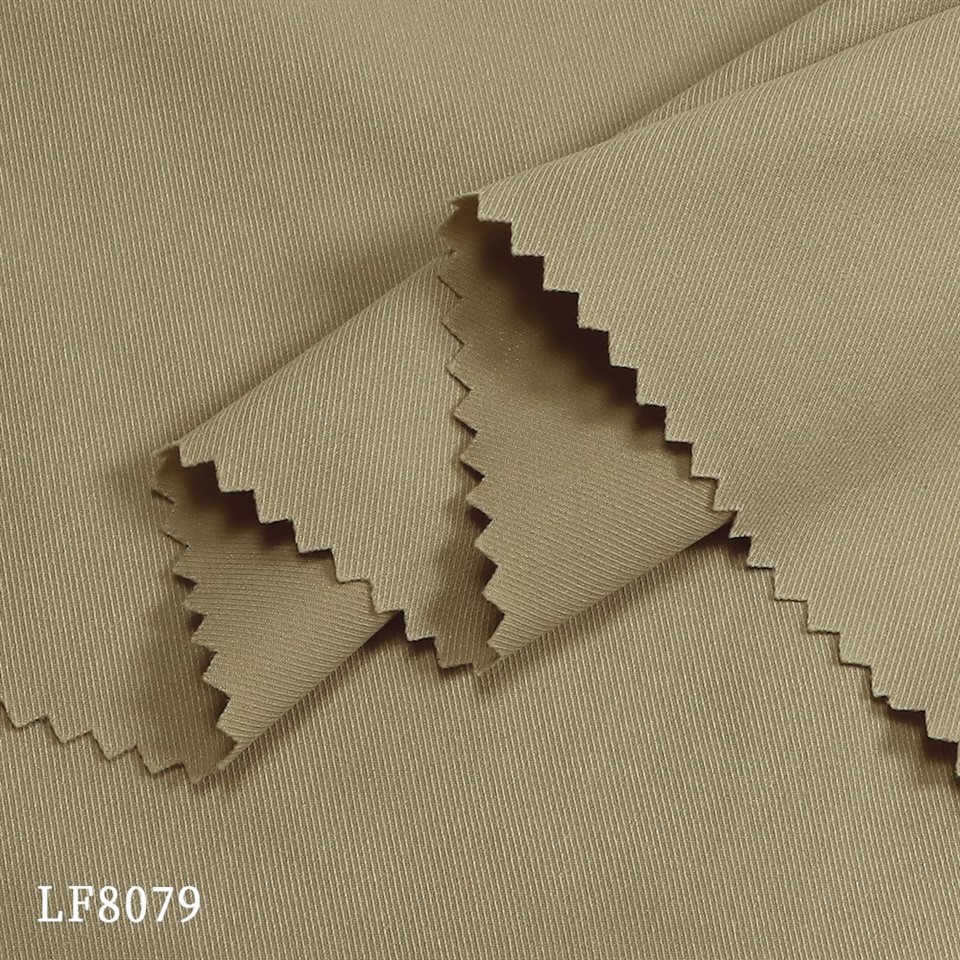
Let’s start with the basics: What is plain woven fabric, exactly? Unlike knits, which are made by interlocking loops of yarn to create stretchy, flexible material, plain woven fabric is constructed by crisscrossing two sets of yarns at right angles—warp yarns that run lengthwise, and weft yarns that run widthwise—over each other in an alternating over-under pattern. That tight, repeating weave is what gives plain woven fabric its signature feel: sturdy, consistent, and easy to work with for everything from apparel to home decor to industrial linens. The most common types are cotton plain weave (like broadcloth or muslin), polyester plain weave, and blends of the two. Each of these weaves behaves a little differently when it comes to printing, which is why my team and I now include weave structure notes on every swatch we send out.
The first thing I usually ask someone when they say they want to print on plain woven fabric is: What are you using to print? Not all printing methods work equally well on plain woven fabric, and pairing the wrong method with the wrong fabric type will lead to a disappointing result. Let’s break down the most popular methods and how they interact with plain weave.
Screen printing is probably the most common for bulk orders—think branded t-shirts, tote bags, or team uniforms. When done right, it gives bold, vibrant prints that hold up through dozens of washes. Here’s the catch for plain woven fabric: The tighter the weave, the better the print sits. A plain weave with a high thread count (say, 120 threads per inch) has little gaps between yarns, so the ink lays flat instead of seeping through to the back of the fabric. That’s why we often suggest medium-weight plain woven cotton for screen printing—its weave is dense enough to keep ink in place, but not so tight that it feels stiff or makes the print crack after a few wears. I once had a customer come to me with a custom screen print order for a small coffee shop that had failed at another supplier: they’d used a lightweight plain weave muslin, which had such big gaps between yarns that the ink bled through, creating a fuzzy, uneven logo. We swapped them to our 80-thread-count plain woven cotton, and the final prints were sharp enough that the shop even used the swatch as part of their new display window—they still text me photos of orders shipping out, three years later.
Digital printing is another method that’s grown in popularity over the last decade, especially for smaller runs or intricate designs like photographs or gradient graphics. Unlike screen printing, which uses stencils to apply ink, digital printing feeds the fabric directly through a printer that sprays tiny droplets of ink, layer by layer. This is where plain woven fabric really shines—well, when it’s prepped right. Plain weave has a flat, consistent surface that’s perfect for digital inks, which can catch evenly across the fabric instead of getting lost in the gaps of a looser weave. That said, if you’re printing on 100% polyester plain woven fabric, you need to use sublimation ink—regular digital ink will sit on top of the synthetic fibers and peel off. I once helped a craft seller who wanted to print custom watercolor patterns on plain woven polyester for tote bags; she’d tried regular inkjet prints at home, which flaked off after one wash. We walked her through pre-treating the fabric with a sublimation coating, then printing the design with sublimation ink at a lower temperature, and she now sells out of her tote line every month. It’s worth noting that digital printing doesn’t work as well for bulk orders over 500 units, since it’s per-piece cost is higher, but for small batches and custom pieces, it’s ideal.
Then there’s the less common, but growing, area of hand printing—think block printing, stenciling, or even tie-dye on plain woven fabric. For hobbyists and small artisans, plain woven fabric is often the go-to because it’s easy to work with at home. The tight, uniform weave means that hand-applied dye or ink won’t spread into unwanted areas, which is why so many indie dyers use plain woven cotton for their custom textiles. I’ve had students from local craft classes come to me asking for plain weave swatches to practice block printing, and the feedback is always the same: it’s much easier to get clean lines than with a stretchy knit, which shifts while you’re working. That said, hand printing does require pre-treating the fabric to set the dye—washing it without fabric softener, and sometimes adding a mordant like alum to help the color stick. I always include a small guide for hand printing on every home swatch pack I send out, because I’ve seen too many new crafters get frustrated when their first print runs or fades.
Of course, no conversation about printing on plain woven fabric would be complete without talking about the things that go wrong—because even with the right method, there are common pitfalls. The biggest one is not pre-treating the fabric before printing. Plain woven fabric, especially cotton, has natural oils and residues from the manufacturing process that can repel ink, leading to spotty, uneven prints. That’s why professional printers always send fabric through a pre-wash or coating process before applying ink. Another common mistake is choosing the wrong fabric weight for the project. A very lightweight plain weave (like 40-thread-count muslin) will wrinkle too much for apparel or tote bags, and the ink will sink too deep into the yarns, making the print look dull. A very heavy plain weave (like 180-thread-count canvas) is great for outdoor banners, but the tight weave can make screen print ink crack if the fabric is stretched, which is a consideration for activewear or bags that get regular use.
As a supplier, one of the most rewarding parts of this job is helping customers avoid these mistakes before they even buy fabric. Last year, I worked with a startup that was launching a line of custom pet bandanas. They originally wanted to use a soft knit fabric, but they were worried about the knit stretching and ruining the screen print. I suggested our medium-weight plain woven cotton—soft enough to be comfortable for dogs, with a tight enough weave to keep the logo sharp, and durable enough to hold up to washing. They ordered 1,000 yards, and came back a month later to order another 5,000—they’d received so many reviews saying the bandanas’ prints didn’t fade, even after months of use and washing. That’s the kind of win that makes all the back-and-forth about thread counts and ink types worth it.
Another thing I tell people, especially those who are new to working with plain woven fabric, is that not all plain woven is the same. I source my plain woven cotton from small farms in the Southeast US, where we control the thread count, the type of yarn we use (carded vs. combed, which affects softness), and the finishing process (bleached vs. unbleached). Unbleached plain woven fabric, for example, has a more natural feel and works well for earthy, hand-dyed designs, while bleached plain woven is brighter and ideal for bold, graphic prints. For synthetic plain woven, we use recycled polyester from post-consumer plastic bottles, which is popular for eco-friendly brands that want to print on fabric that’s both durable and sustainable.
I know there’s still a lot of confusion out there about whether plain woven fabric is printable, and if so, what kind of fabric they should use. I’ve had customers come to me after a bad experience with a different supplier, who sold them a plain woven fabric that didn’t work with their printing method. That’s why I always encourage anyone who’s considering a print project to reach out before they order a large batch—send me a note about what you’re printing, what method you’re using, and what the final product is for, and I’ll send you a free swatch pack tailored to your needs. No pressure, no sales pitch, just years of experience helping people get the result they want.

At the end of the day, plain woven fabric is one of the most versatile materials out there. It’s used for everything from high-end apparel to industrial workwear to home decor, and its ability to take a sharp, long-lasting print is one of the reasons it’s stayed a staple in the textile industry for centuries. It’s not as stretchy as knits or as luxurious as silk, but it’s reliable, consistent, and infinitely customizable—if you know how to pair it with the right printing method. If you’re planning a print project and aren’t sure where to start, don’t guess. Reach out, tell me what you’re working on, and let’s find the right plain woven fabric for your needs. I’ve helped hundreds of small business owners, artists, and brands get their designs printed well, and I’d be happy to help you too.
Polyester Stretch Fabric References
- Hunter, L. (2021). Textile Printing: A Practical Guide to Traditional and Digital Methods. Bloomsbury Visual Arts.
- Morton, J. (2019). Woven Fabric Technology: Weave Structures, Properties, and Applications. Woodhead Publishing.
- American Association of Textile Chemists and Colorists (AATCC). (2020). Test Method 61: Color Fastness to Washing of Textiles. AATCC.
- Zhang, Y., et al. (2022). “Effect of Weave Structure on Ink Adhesion in Digital Textile Printing.” Journal of Engineered Fibers and Fabrics, vol. 17, no. 1, pp. 1-10.
Shaoxing Huichao Textile Co., Ltd.
As one of the most professional plain woven fabric manufacturers and suppliers in China, we offer a wide range of products with superior quality. We warmly welcome you to wholesale bulk plain woven fabric in stock here from our factory. If you have any enquiry about cooperation, please feel free to email us.
Address: Shenyue International Build ing, Unit 1603-1605, Keqiao District, Shaoxing City, Zhejiang Province, China
E-mail: darrenzhong@huichaotextile.com
WebSite: https://www.huichaotextile.com/
