As a C Type Welding Machine supplier working closely with fabricators, automotive shops, and industrial workshops across North America, I’ve seen firsthand how a small oversight in machine safety can turn a routine welding job into a life-altering incident. When customers reach out to me for a new C Type welder, the first question I always ask after confirming power requirements and capacity is, “What safety certifications does your machine have?” It’s a line of questioning that separates reliable, compliant equipment from the kind that can put workers at risk—and it’s one that too many new shop owners or contractors overlook. C Type welding machines, with their sturdy frame, compact design, and high-powered electrical components, have unique safety demands that go beyond basic tools. The certifications they need aren’t just industry hoops to jump through; they’re built to protect the people operating them day in and day out, as well as the facilities where they work. Let’s break down what those certifications are, why they matter, and how to verify them when you’re shopping for a C Type welder. C Type Welding Machine
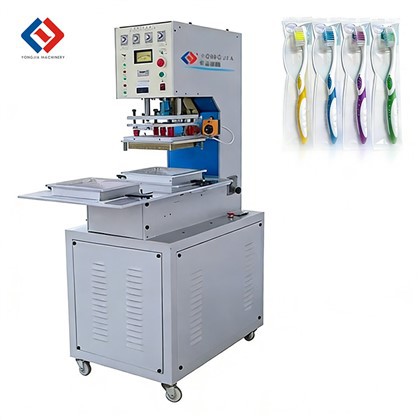
First, the most non-negotiable certification for any electrical equipment used in industrial settings is the UL 60974-1 certification from Underwriters Laboratories. For my customers, this is the first mark I point to when demonstrating a new machine. UL 60974-1 is specific to arc welding equipment, and it sets rigorous standards for electrical safety, mechanical stability, and thermal performance. What does that mean in practical terms? It means the machine’s power supply is insulated properly to prevent electrical shock if a worker touches a live component, its frame is built to withstand the force of welding spatter and occasional knocks without breaking, and it won’t overheat mid-job— a common issue with cheaper, uncertified machines that lead to fires. Early in my career, I sold a handful of uncertified C Type welders to a small shop that thought the lower price tag was a better deal. Within three months, two workers had minor electrical shocks when their machines’ insulation failed, and one had a small fire start when the overheated control panel melted. Since then, I’ve refused to stock any machine that doesn’t carry UL 60974-1, and I always advise customers to walk away from any supplier who can’t produce proof of this certification. It’s not just a standard; it’s a legal requirement in most U.S. states for any welding machine used in commercial work.
Next on the list is CSA W47.1 certification, which is specific to Canada, but for customers that operate across the border, it’s just as important as UL. The Canadian Standards Association’s W47.1 standard focuses on welding equipment safety for construction and industrial applications, with extra tests for things like corrosion resistance (critical for shops in humid climates or coastal areas) and compliance with Canadian electrical codes. I recently had a customer in Detroit who does work for a manufacturer in Toronto; he initially bought a UL-certified machine without checking for CSA, and the Toronto facility wouldn’t let him use it on their site. That mistake cost him a week of work and a lot of extra shipping fees to swap the machine for a CSA-certified model. For suppliers, carrying machines with both certifications means we can serve customers on both sides of the border without hassle, and it gives buyers peace of mind that their machine meets the strictest requirements in North America.
Beyond these North American standards, there’s another set of certifications that apply if your C Type welder is used in specialized industries like aerospace, automotive manufacturing, or structural steel work: CE marking for the European market, and ISO 15085 for railway welding applications. CE marking is a requirement for any equipment sold in the EU, and it covers everything from electrical safety to noise levels and ergonomics. A few years ago, I started working with a client that exports their C Type welders to Germany; they needed CE certification to meet EU’s Machinery Directive, which includes limits on welding fume exposure (a big concern for European workers) and safe access to control panels. For ISO 15085, that’s a more niche certification, but if you’re working on railway components, it’s non-negotiable. I’ve supplied C Type welders with ISO 15085 certification to a railway maintenance yard in Chicago, and they told me it cut down on their inspection time by 30% because regulatory officials recognized the mark as proof the machine meets railway-specific safety rules.
One certification that I think is often overlooked, but makes a huge difference in on-the-job safety, is the OSHA-aligned design mark from the American Welding Society (AWS). The AWS D1.1 standard, which governs structural welding, requires equipment to meet specific safety criteria, and machines that align with it often carry an AWS certification. What this means for workers is that the machine is designed with features like emergency stop buttons that are easy to reach, foot pedals that won’t accidentally activate if kicked, and clear labeling for all hazard areas. I remember a customer who was using an older uncertified C Type welder that had a small emergency stop button tucked under the control panel; when his glove caught on it, it almost shut down a critical weld on a large steel beam. Since switching to AWS-certified machines, he says his team hasn’t had a single near-miss from equipment-related safety issues. OSHA itself doesn’t require the AWS mark, but it’s a strong indicator that the machine is built to support safe work practices, which can also help reduce your shop’s insurance premiums—another big benefit for customers.
When I’m walking a customer through checking these certifications, I always tell them to ask for physical copies, not just digital screenshots. A lot of cheap machines will display a UL logo on the exterior, but the certification might be for an older model that’s no longer in production, or it might not apply to the specific C Type welder they’re looking at. For example, some suppliers will certify a line of small MIG welders with UL 60974-1, but label their C Type models as “industrial grade” without going through the full testing process. Another common trick I’ve seen is using a fake certification sticker—so I recommend contacting the issuing body (like Underwriters Laboratories) to verify the serial number on the machine’s label is registered. As a supplier, I keep all my certification documents on hand, and I’m happy to share them with customers before they even place an order. I think transparency on this front builds trust, and it’s why many of my customers have worked with me for years.
There’s also the question of what certifications you don’t need, and I want to be clear: some suppliers will try to upsell you on certifications that don’t add any real safety value for standard C Type welding jobs. For example, a lot of machines carry energy efficiency certifications, which are great for reducing operating costs, but they’re not safety-related. Similarly, some “industrial grade” labels are just marketing, not actual third-party certifications. I advise customers to focus only on the certifications that apply to their location and the work they do—UL 60974-1 for U.S. commercial work, CSA W47.1 for Canada, and any industry-specific certifications if you’re working in aerospace, railways, or the EU.
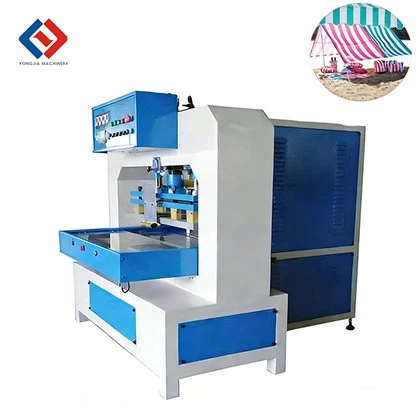
As someone who’s been in the C Type welding machine supply business for over a decade, I’ve seen how the right certifications make a difference for both workers and shop owners. Certified machines aren’t just safer—they also hold up longer, require fewer repairs, and are easier to pass inspections. If you’re in the market for a new C Type welding machine, don’t just look at price or capacity. Ask about their safety certifications, verify them, and choose a supplier that prioritizes compliance as much as you do. If you’re ready to talk through your needs, compare certified models, or get more details on the safety features of our C Type welders, feel free to reach out to connect for purchasing discussions. We’re here to help you find a machine that’s not only powerful enough for your jobs, but safe for your team to use every day.
Plastic Bag Making Machine References
- Underwriters Laboratories. UL 60974-1: Safety Standard for Arc Welding Equipment.
- Canadian Standards Association. CSA W47.1: Safety Requirements for Welding Equipment.
- American Welding Society. AWS D1.1: Structural Welding Code – Steel, Equipment Safety Guidelines.
- International Organization for Standardization. ISO 15085: Railway Applications – Welding Requirements and Certification.
- Occupational Safety and Health Administration. OSHA 29 CFR 1910.253: Welding, Cutting, and Brazing Safety Standards.
Dongguan Yongjia Machinery Equipment Co., Ltd.
We are one of the most reliable c type welding machine manufacturers and suppliers in China, specialized in providing high quality customized service. Please feel free to wholesale advanced c type welding machine at low price from our factory. For quotation, contact us now.
Address: No.240, Chashan South Road, Chashan Town, Dongguan City, Guangdong Province, China
E-mail: info@yjwelding.com
WebSite: https://www.yjhighfrequencymachine.com/
