If you’ve ever stood in line at a busy mall on a hot summer day, watching kids beg for ice cream that’s either sold out or overpriced, you’ve probably had the same thought I did seven years ago: what if there was a simpler, more reliable way to get great ice cream to people when they want it? Back then, I was just a small business owner who’d spent years repairing food equipment for local cafes and amusement parks. I noticed that every time an ice cream truck or shop closed, there was this lull—people still craving something cold and sweet, but no way to get it. That’s when I started tinkering with building my own ice cream vending machines, testing designs that could handle everything from soft-serve to scooped hard ice cream without melting mid-dispense. Today, I’m one of the go-to suppliers for these machines, and I’ve helped hundreds of entrepreneurs turn that same idea I had into a profitable business. If you’re thinking about starting an ice cream vending machine business, let me walk you through what actually works—no fluff, just real lessons I’ve learned from years of testing, breaking things, and fixing them again. Ice Cream Vending Machine
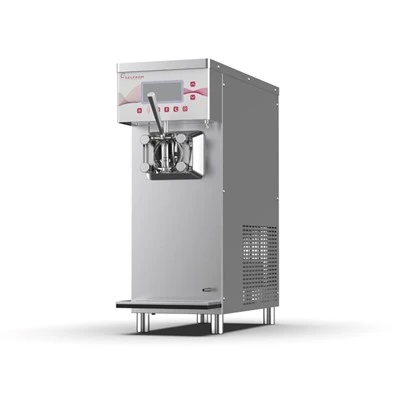
First, let’s get one thing straight: this isn’t the same as putting a soda or snack vending machine in a hallway. Ice cream is a perishable, temperature-sensitive product, and the machines that hold and dispense it have to be built different. When I first started out, I made the mistake of using a old snack machine I modified, and within a week, half the inventory was a soupy mess because the cooling system couldn’t maintain a consistent 0°F inside. It took months of testing compressors, insulation, and dispense mechanisms to figure out the right balance. But here’s the good news: you don’t have to reinvent the wheel. When you work with a reputable supplier like mine, you get machines that are pre-engineered for success—with industrial-grade cooling, anti-drip nozzles, and even touchscreens that let you adjust dispense portions in real time. But before you even pick up a machine, there’s a step most new owners skip that will make or break your business: picking the right locations.
Location is 80% of this business, full stop. I’ve seen two guys buy identical machines, set one up at a suburban community college and the other at a busy hiking trailhead, and the latter made three times more money in its first month. Why? Because the trailhead already has built-in foot traffic that’s actively looking for cold treats. Students at the college might have snacks in their backpacks, or the cafeteria is right around the corner, but hikers are hot, tired, and willing to pay a little extra for something that’s easy to grab. Here’s how I advise new owners to vet potential spots: start by counting daily foot traffic. If a location doesn’t get at least 200 people a day in peak summer months, it’s probably not worth your time. Next, look at complementary businesses. If there’s a water park, a mini-golf course, a sports complex, or a busy highway rest stop nearby, that’s a winner. Avoid spots like empty office parks after 5 PM, or residential neighborhoods where most people are at home and have their own freezers. Also, talk to the property manager before you sign anything. Ask about utilities—you’ll need power for the machine, and some spots require you to pay a monthly fee for that access. Some also charge a small commission on sales, usually 5-10%, which is worth it if the location is high-traffic, but I always negotiate for a small, flat monthly fee instead if I can. I once had a client who set up in a mall food court and tried to skip talking to the manager first—he ended up having to move the machine with 50 gallons of ice cream in it, which was a disaster. Do your due diligence here; don’t just assume a spot will work because it looks busy.
Once you’ve locked down locations, the next big decision is choosing what kind of ice cream to sell. This is another area where new owners often make mistakes. I’ve had someone come to me wanting to buy a hard ice cream machine, only to later tell me they can’t find a supplier that will deliver small batches to their remote location. If you’re just starting out, I always recommend starting with either pre-packaged pints or soft-serve, depending on your location. Soft-serve machines have lower upfront costs for inventory, and they dispense quickly, which cuts down on wait times during busy hours. But they require regular cleaning—every night, you have to disassemble the dispense parts and sanitize them, or you’ll get mold and bad-tasting ice cream. Pre-packaged pints, on the other hand, are lower maintenance—you just restock the machine every few days, and there’s no daily cleaning. That’s perfect for someone who’s working a full-time job and can’t be on-site every evening. Hard ice cream is a middle ground, but it requires a machine that can keep the pints at the exact right temperature, and you have to find a reliable local supplier who can deliver consistently. I always advise new owners to start small: pick one type of product, test it at a couple of locations, and expand once you know what sells. I’ve seen people try to stock 15 different flavors of hard ice cream in their first month, only to have half of them go bad because no one bought them. Stick to 3-5 popular flavors (vanilla, chocolate, strawberry are always safe, plus one fun seasonal flavor like mint chocolate chip in the summer or pumpkin in the fall) to keep inventory manageable.
Now, the machine itself is the backbone of your business, and this is where working with a supplier that actually knows ice cream vending makes all the difference. When I first started, I worked with a cheap overseas supplier, and I spent more time fixing broken machines than I did running the business. Compressors would fail mid-summer, dispense nozzles would get clogged, and the touchscreens would freeze up. Customers would leave bad reviews, and I was losing money fast. Now, as a supplier, I test every machine for 72 hours straight before it goes out—we load it with ice cream, run dispense cycles nonstop, check the temperature every hour, and fix any issues before it even reaches a customer. The key features to look for in an ice cream vending machine are: first, consistent cooling. It needs to maintain a temperature of 0°F or lower at all times, even in 90°F weather. If the machine gets too warm, your ice cream will melt, leading to waste and lost sales. Second, reliable dispense mechanisms. No one wants to wait 5 minutes for a cone, or get a drip all over their hand. The best machines have adjustable dispense speeds, so you can cater to different products (soft-serve vs hard scoops) without modifications. Third, security. Your machine is going to be sitting outside, sometimes overnight in a high-traffic area. Look for machines with reinforced steel locks, tamper-proof panels, and even GPS tracking so you can find it if it gets moved or stolen. Fourth, payment options. Today’s customers don’t carry cash anymore. Your machine needs to accept credit cards, Apple Pay, Google Pay, and maybe even mobile order and pay if you can integrate that. I recommend avoiding machines that only take cash—you’ll cut 70% of your potential sales right there. When you’re buying a machine, don’t just go for the cheapest one. You get what you pay for, and a $5,000 machine that breaks every two months will end up costing you more in repairs and lost revenue than a $8,000 machine that lasts 5 years.
Once your machines are set up and stocked, the next step is operations and marketing. For new owners, this part can feel overwhelming, but it’s simpler than you think. First, create a routine for restocking and maintenance. If you have a soft-serve machine, you’ll need to clean it every night—set a timer on your phone, or hire a part-time local to do it if you can’t be there. For pre-packaged pints, you can check inventory every 2-3 days, just make sure you’re rotating stock so older pints sell before they expire. Track sales data from each machine—most modern machines come with a mobile app that shows you how much each location is selling, what flavors are most popular, and even when foot traffic is highest. Use that data to adjust: if your trailhead machine sells 20 mint chocolate chip pints a day, stock more of it. If the mini-golf course’s best seller is soft-serve cones, adjust the dispense size to be a little bigger for that spot. Marketing for an ice cream vending machine business doesn’t have to be complicated. Since your customers are local and mostly on-the-go, focus on simple, local tactics. Put a sign on each machine with your social media handle—post photos of new seasonal flavors, or announce a promotion (like buy one, get one half off on weekdays). Partner with the location you’re in: if it’s a water park, offer a discount to people who show their park ticket. If it’s a hiking trailhead, post about your machine in local hiking groups on Facebook. Word of mouth is huge here—if someone has a good experience, they’ll tell their friends, and that will drive more sales than any expensive ad. I also recommend keeping the machines clean and well-maintained—no one wants to buy ice cream from a sticky, dirty machine. Wipe down the exterior every week, make sure the dispense area is free of drips, and fix any broken parts right away. A bad customer experience will kill your business faster than anything else.
Now, let’s talk about profits and scalability, because that’s what this is all about. The average ice cream vending machine makes between $200 and $500 a week, depending on location. A soft-serve cone might cost you $1 to make (ingredients, cup, lid) and sell for $4, which is a 300% markup. A pre-packaged pint costs you $3 to buy from your supplier and sells for $7, which is also a great margin. Once you’ve paid off the machine (usually in 6-12 months, depending on where you set it up), almost all of that revenue is profit. If you start with two machines, you might clear $300 a month in your first few months, but once you have five or six well-placed machines, that can jump to $2,000-$3,000 a month. Scaling is the next step—once you’ve mastered one or two locations, add another machine to a new spot, and another. My most successful client started with one machine at a local mini-golf course in 2020, and now has 12 machines at locations across the state, making over $15,000 a month in profit. The key to scaling without burning out is to have systems in place: restock on a set schedule, use the data from your machine’s app to make smart decisions, and maybe hire a part-time employee to handle maintenance for you once you have 5+ machines.
But let’s be real—this isn’t a get-rich-quick scheme. It takes work, especially in the first year. I’ve had clients who quit after three months because they thought they’d be making money right away, only to realize they spent too much on a machine in a bad location. Be patient, start small, test things out, and don’t be afraid to adjust. If a location isn’t working after two months, move the machine—don’t keep throwing money at a spot that’s not generating sales.
If you’re ready to turn this idea into a real business, the next step is to connect with a supplier who understands the ice cream vending industry, not just general vending. As someone who’s been in this space for years, I’ve seen every mistake a new owner can make, and I build my machines to avoid those mistakes, plus provide support after the sale to help you succeed. Whether you’re a first-time entrepreneur with a little startup capital, or someone looking to add a side income to an existing business, an ice cream vending machine business is flexible, profitable, and fills a real need for customers who want a quick, tasty treat on a hot day.
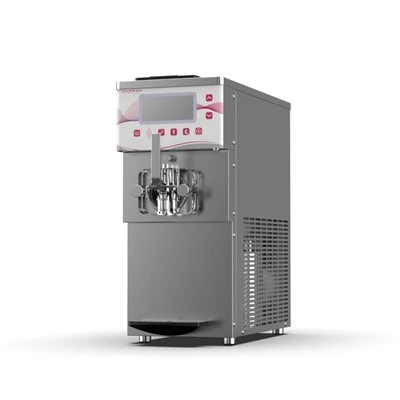
If you’re ready to learn more about the machines, pricing, or how we can help you select the best locations for your needs, don’t hesitate to reach out for a consultation. We offer personalized guidance, flexible financing options for machines, and ongoing support to make sure your business runs smoothly.
Soft Serve Ice Cream Machines References:
- Small Business Administration. (2023). Starting a Vending Machine Business. U.S. Small Business Administration.
- National Automatic Merchandising Association. (2022). Ice Cream Vending Industry Trends Report. NAMA.
- Food and Drug Administration. (2021). Food Safety Guidelines for Vending Machine Operators. FDA.
- Vending Market Watch. (2023). Global Vending Machine Industry Analysis. Vending Market Watch.
- Local Small Business Association. (2022). Profitable Side Business Ideas for 2022. Local SBA Chapter.
Dongguan Gelprom Ice Tech Co., Ltd.
As one of the most professional ice cream vending machine manufacturers and suppliers in China, we’re featured by quality products and good service. Please rest assured to buy bulk ice cream vending machine in stock here from our factory. We also accept customized orders.
Address: 2F, A building, College Tech park, Yuyuan Industry Area, Huangjiang, Dongguan, China
E-mail: rock@i-gelprom.com
WebSite: https://www.gelprom-icecream.com/
